Hey there, let’s cut to the chase—if you’re in the plastic auxiliary equipment game, you know a good plastic crusher isn’t just a “nice-to-have” — it’s a workhorse that keeps your production line from grinding to a halt. As someone who’s been selling these bad boys for years, I’ve watched the market explode with options that range from tiny tabletop units to industrial giants that eat whole drum totes for breakfast. Today, I’m breaking down the most common models out there, what they’re for, and who should be looking at each one. No jargon, just straight talk—promise. Plastic Auxiliary Equipment
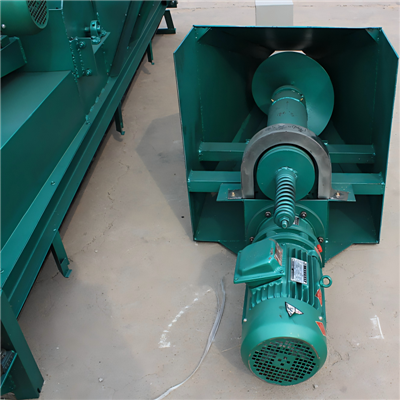
First off, let’s get the basics out of the way: plastic crushers do exactly what their name sounds like—they shred, crush, or granulate plastic waste (sprues, offcuts, defective parts) into small, uniform pieces that can be recycled or reused. But not all plastic is the same, and not all operations have the same needs. That’s why the market has split into distinct models, each tailored to a specific use case. Let’s dive in.
- Tabletop Plastic Crushers
I see these everywhere—small shops, startup production lines, even college lab spaces testing new plastic formulations. Tabletop units are tiny, lightweight, and designed for low-volume, light-duty work. Think 1 to 5 horsepower motors, and they’re built to handle small plastic bits: sprues from injection molding parts, thin film offcuts, or small defective components that don’t weigh more than a couple pounds.
A lot of my customers love these because they don’t take up floor space—you can set ’em on a workbench right next to your molding machine. But here’s the catch: they can’t handle thick, rigid plastic. If you try to force a 1-inch thick PVC pipe segment through a tabletop crusher, you’ll jam the blades, burn out the motor, and end up with a headache (and a service call, which I’ll have to charge you for, oops). These are strictly for light, low-capacity jobs—like a shop that runs 50 small parts a day, not a factory cranking out 10,000.
- Industrial Granulators (Heavy-Duty Crushers)
If tabletop units are for weekend DIY projects, industrial granulators are the NFL of plastic crushers. These are the big boys—10 to 100+ horsepower, floor-mounted, and built to run 24/7. They’re made for high-volume operations: factories that produce tons of plastic packaging, automotive parts, or construction materials. Their blades are thick, hardened steel, and they can chew through almost anything—rigid HDPE drums, thick ABS automotive bumpers, even whole pallets of plastic offcuts.
Here’s the thing with granulators: they’re not set it and forget it. You need to match the screen size to your end use—if you want ¼-inch granules for reprocessing, swap in a ¼-inch screen; if you need larger chunks for external recycling, go bigger. A lot of my industrial clients run these in a closed loop—crush their own waste, reuse the granules in new parts, and cut down on material costs big time. The only downside? They take up serious floor space, cost more upfront, and you need a dedicated power source (think 3-phase electricity, not the standard 120V your garage uses).
- Wet Plastic Crushers
Wait, wet crushers? Yeah, you might not have heard these as much, but they’re a game-changer for plastic that’s dirty—think post-consumer plastic bottles, food containers, or agricultural plastic that’s covered in mud or food residue. Regular dry crushers can’t handle this stuff: the moisture gums up the blades, causes clogs, and even leads to rust over time. Wet crushers are designed to submerge the plastic in water while they crush it, so debris washes away right as it’s processed.
A lot of recycling plants and waste management facilities swear by these. I recently sold a set to a local recycling co-op that was having issues with their old dry crusher jamming on soda bottles caked in syrup. They swapped in wet units, and their downtime dropped by like 70%—total win. The only thing to note here is that you need a way to manage the wastewater (filters, settling tanks) because wet crushing does produce a bit of runoff. But if your plastic is dirty, these are non-negotiable.
- Plastic Shredders (Two-Shaft Crushers)
Okay, let’s clear up confusion here: shredders aren’t the same as granulators. Granulators crush into small, uniform granules; shredders rip plastic into large, uneven chunks (think palm-sized or bigger). Most industrial operations use shredders first for big plastic waste, then granulators for final processing—but some small recycling setups only use shredders if they’re just moving big waste.
Two-shaft shredders are the most common type here—they have two rotating shafts with sharp, interlocking blades that grab and tear plastic apart. They handle extra bulky stuff: whole plastic crates, oversized pipe segments, even discarded pallets made of plastic. A lot of my customers who decommission old production lines use these to break down big parts before hauling them away for recycling. They’re slower than granulators, but way more powerful for massive, rigid items. The downside is they don’t produce uniform particles, so they’re not good if you need to reuse the crushed plastic right away—you’ll have to run it through a granulator next.
- Mobile Plastic Crushers
If you’re operating in a remote area, or you need to process plastic waste on-site (say, at a construction job with leftover plastic piping, or a farm with irrigation plastic), mobile crushers are your jam. These are mounted on trailers or skids, so you can tow ’em wherever the waste is, instead of hauling tons of plastic back to a fixed crusher.
I’ve sold these to construction companies building highways where they use plastic forms—instead of transporting thousands of pounds of leftover forms to a recycling center, they tow a mobile crusher to the job site, crush the forms right there, and send the granules back to the supplier for reuse. It cuts transportation costs and waste hauling fees by a ton. The catch: they’re usually mid-range (5 to 15 horsepower), so they’re not as powerful as industrial granulators, and their capacity is lower. Perfect for on-the-go, but not for a full-time factory’s main crusher.
- Specialty Crushers (For Specific Plastics)
Wait, there are more—yes, and these are the ones you turn to if you’re working with super specific plastic types. For example, PVC crushers have special blades that handle rigid PVC without getting dull (PVC is super abrasive, so regular blades wear out fast). Then there’s film crushers—thin plastic wrap, stretch film, or grocery bags are slippery, so regular crushers can’t grip them. Film crushers have a different blade design, sometimes with anti-wrap features, to keep the film from tangling around the rotor.
I once had a customer who was a packaging company using a ton of stretch film for pallet wrapping. They tried a regular granulator, and the film would wrap around the blades every 10 minutes, shutting down their line. We swapped in a film-specific crusher, and their uptime went from 50% to 95%. It’s these specialty models that people sleep on—they’re not the most flashy, but they solve a lot of specific headaches.
Now, let’s talk about what to actually look for when picking a model—because buying the wrong crusher is a quick way to throw money away. First, match the crusher to your plastic type: if you’re working with thin film, don’t get a rigid granulator; if you’re handling dirty bottles, skip the dry unit. Second, capacity: how much plastic do you need to process per hour? A tabletop can do 50 lbs an hour, an industrial granulator can do 5,000—get something in between, not too big or too small. Third, blade material: hardened steel blades last way longer than regular steel, especially for abrasive plastics like PVC. Fourth, noise and safety: industrial crushers can be loud, so if you’re in a small space, look for sound-dampened models; and always make sure it has safety features like emergency stop buttons and blade guards—you don’t want a workplace accident on your hands.
As a plastic auxiliary equipment supplier, I’ve seen so many people waste money on the wrong crusher. They buy a big industrial unit because “it’s powerful,” only to realize it’s too big for their 100 lbs a day of waste, and it’s eating 3x more electricity than they need. Or they buy a cheap tabletop, and it burns out in 6 months because they tried to crush a thick part. That’s why I always tell folks to tell me exactly what they’re crushing, how much, and what they need the crushed plastic for—and I point them to the right model, not just the one I make the most money on.
If you’re in the market for a plastic crusher, don’t just scroll Amazon or a random supplier’s website and pick the cheapest one. Hit me up, tell me your needs—whether it’s a tiny tabletop for a startup, a wet crusher for a recycling plant, or a mobile unit for a remote job. I’ll walk you through the options, answer any dumb questions (I’ve heard ’em all), and make sure you get something that works for you, not just something that fits your budget right now.
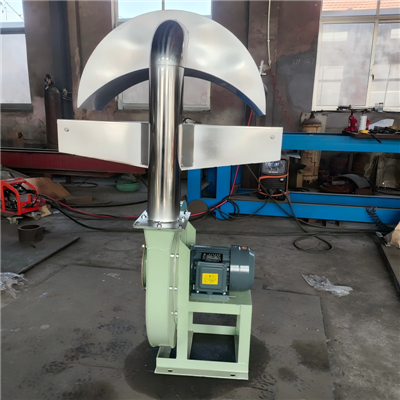
Last thing: at the end of the day, a good plastic crusher is an investment. It keeps your waste down, saves you on material costs, and keeps your line running. Don’t cut corners here—trust me, I’ve seen the alternative, and it’s not pretty.
Plastic Crushing Equipment References
Plastic Technology Association. (2022). Guidelines for Plastic Waste Processing Equipment. National Recycling Coalition. (2021). Wet vs. Dry Crushing Applications in Post-Consumer Plastic Recycling. Industrial Plastics Manufacturing Association. (2023). Heavy-Duty Granulator Operational Best Practices. Mobile Equipment Manufacturers Association. (2022). Mobile Crusher Use Cases for On-Site Plastic Processing.
Laizhou Yuening Machinery Co., Ltd.
As one of the most reliable plastic auxiliary equipment manufacturers in China, we warmly welcome you to buy cheap plastic auxiliary equipment made in China here from our factory. All customized machines are with high quality and low price. For pricelist, contact us now.
Address: Yuanjia Village, Luwang, Shahe Town, Laizhou City, Yantai City, Shandong Province
E-mail: yueningjixie@163.com
WebSite: https://www.ynplasticmachinery.com/
