If you’ve ever stood near an aluminum window on a cold morning and noticed those tiny, glistening water droplets forming along the frame or glass, you’ve encountered condensation resistance at work. As an aluminum windows supplier, I get asked about this all the time—usually from homeowners worried about water damage, contractors checking building code compliance, or architects designing energy-efficient spaces. It’s not just a minor annoyance; poor condensation resistance on windows can lead to mold growth, peeling paint, warped trim, and even reduced indoor air quality. So what exactly is the condensation resistance of aluminum windows, and why does it matter more than ever right now? Aluminum Windows
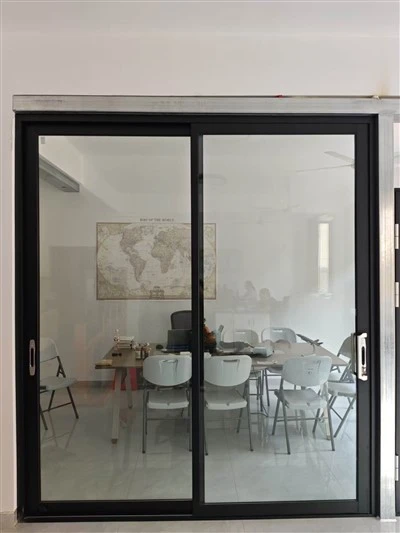
First, let’s break down the science of condensation to set the stage. Condensation happens when warm, moist air comes into contact with a surface that’s colder than the air’s dew point temperature. The dew point is the temperature at which air can no longer hold all its water vapor, so the excess turns into liquid. For example, a humid 72°F living room with a dew point of 55°F will cause water to form on any surface that drops below 55°F. That’s why single-pane aluminum windows, common in older homes, are such bad offenders—their thin aluminum frames and glass transfer cold from the outside easily, bringing the indoor surface temperature down to meet or cross the dew point.
Now, aluminum has a reputation for being a highly conductive metal. That’s a big part of why early aluminum windows had such bad condensation issues. Conductivity means aluminum transfers heat quickly, so a window frame’s inner surface temperature stays close to the outdoor air temperature, making it prone to condensation. But here’s the thing: modern aluminum window technology has come a long way, and that conductive property is no longer the liability it used to be. The key to good condensation resistance in aluminum windows isn’t about changing aluminum itself—it’s about how we engineer the window’s thermal performance to reduce heat transfer.
Let’s get into the technical stuff that actually defines condensation resistance for windows, because there’s a formal metric for this. The Window Energy Rating Scheme (WERS) and the National Fenestration Rating Council (NFRC) both use a Condensation Resistance Factor (CRF) to measure how well a window resists condensation. The CRF is a number between 0 and 100; the higher the number, the better the window performs. A CRF above 50 is generally considered good for most climates, especially those with cold winters and high indoor humidity. For context, old single-pane aluminum windows often had a CRF of 20 or lower, while top-tier double or triple-pane aluminum windows with thermal breaks regularly hit CRFs of 60 to 80.
So what’s a thermal break, and why is it the game-changer for aluminum windows? A thermal break is a strip of non-conductive material—usually a rigid polyamide or fiberglass—that sits between the inner and outer parts of the aluminum frame. Think of it like a insulating barrier that stops the cold from the outside moving straight through the metal to your indoor side. Without a thermal break, the aluminum frame acts like a bridge for heat and cold, making the inner surface temperature too low. With a properly designed thermal break, the inner frame surface stays closer to the indoor air temperature, which means it’s above the dew point for most of the time.
It’s not just the frame, either. The glass unit is half the battle. Even a great thermal break frame won’t do much if you have a single pane of glass. Most modern aluminum windows come with double or triple-pane insulating glass, often with low-emissivity (low-e) coatings that reflect heat back into the room, and inert gas (argon or krypton) filling the space between panes to reduce further heat transfer. These upgrades raise the inner glass surface temperature, making it much less likely to develop condensation. For extreme climates—like places where winter temperatures regularly drop below 0°F—we even offer triple-pane units that push CRF numbers even higher.
I want to be clear, though: condensation resistance isn’t just about window design—it also depends on how a window is installed and how a building is ventilated. I’ve seen perfectly good aluminum windows develop condensation because they were installed with gaps around the frame, allowing cold air to seep in behind the trim, or because a home has poor ventilation that traps too much moisture indoors. For example, a bathroom without an exhaust fan will have higher humidity that can lead to condensation on any window, regardless of its CRF. That’s why as a supplier, I always talk to my customers about both the product and the installation best practices to get the best performance.
Let’s address a common myth I hear all the time: “Aluminum windows have worse condensation resistance than vinyl or wood windows.” That was true decades ago, but not anymore. A high-quality thermally broken aluminum window can have a better CRF than a standard vinyl window, because vinyl itself is less durable and prone to warping over time, which creates gaps that reduce insulation. Wood windows can also perform well, but they require regular maintenance like painting or sealing to keep their thermal properties intact—neglect that, and their condensation resistance drops fast. Aluminum, on the other hand, is non-porous, doesn’t rot, and doesn’t warp, so its thermal performance stays consistent for decades.
I’ll give you a real example of a project I worked on last year to illustrate this. A homeowner in Minneapolis was struggling with mold on their bedroom windows every winter, even after replacing their old wood windows. They initially wanted to go back to wood, but after showing them our thermally broken aluminum windows with triple-pane low-e glass, we ran a quick thermal simulation. The original windows had an inner surface temperature of 48°F on a 20°F outside day, with indoor humidity at 50%—that’s well below the dew point of 50°F, hence the condensation. Our aluminum windows had an inner frame temperature of 62°F and inner glass temperature of 58°F, both above the dew point. After installation, they had zero condensation issues, and their energy bills dropped by 18% because of the better insulation. That’s the kind of real-world impact good condensation resistance delivers.
Another factor that affects condensation resistance is frame design. Modern aluminum window frames aren’t just a single extruded piece of metal; they’re engineered with multi-chambered profiles that add extra insulation within the frame itself. Some of our top models even have foam insulation injected into the hollow aluminum chambers, which further slows heat transfer. The shape of the frame also matters—wider frames with deeper thermal breaks tend to have higher CRFs than slim, single-chamber frames, though we balance that with style so homeowners don’t have to choose between looks and performance.
What about for warmer climates? A lot of people don’t think about condensation resistance in hot, humid places, but it’s just as important there. In summer, warm, moist outdoor air can come into contact with a cool window surface, causing condensation on the outside of the glass. High-quality aluminum windows with good thermal breaks reduce this too, because the outer frame and glass surface stay closer to the outdoor air temperature instead of being cooled from the inside. So condensation resistance is a year-round benefit, not just a winter one.
As an aluminum windows supplier, I also test every one of our products to ensure their CRF meets industry standards. We send samples to independent labs to measure thermal transmittance (U-factor, which is the rate of heat loss) and calculate CRF, and we publish those results for all our customers to see. A U-factor of 0.30 or lower is considered high-performance for cold climates, and that translates to a CRF of 60 or above. For passive house projects, we offer specialized aluminum windows with U-factors as low as 0.15 and CRFs over 80, which meet the strictest energy efficiency requirements.
I want to make sure customers understand that condensation resistance isn’t a gimmick—it’s a tangible feature that protects their investment. Condensation can cause thousands of dollars in damage over time: mold remediation, replacing rotted trim, repainting, even fixing water damage to walls or floors. Our windows come with a 20-year warranty against manufacturing defects, including consistent performance against condensation, because we’re confident in the quality of our design and materials.
So if you’re in the market for new windows, don’t just look at price or style—ask about condensation resistance. A window with a high CRF will save you money on energy bills, keep your home drier and healthier, and last longer than cheaper, poorly performing models. Whether you’re building a new home, renovating an old one, or working on a commercial project, aluminum windows are a versatile, durable choice that offer excellent condensation resistance when engineered correctly with thermal breaks and high-performance glass.
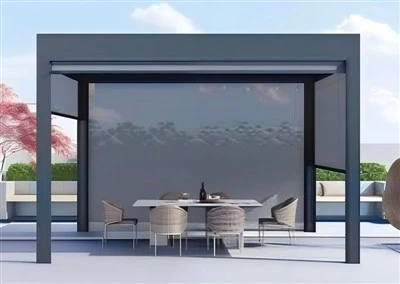
If you have questions about which of our aluminum window models would work best for your specific climate, project type, or budget, or if you’d like to discuss installation and performance best practices, our team is here to help. We work with homeowners, contractors, architects, and builders to find the right window solutions that balance performance, style, and value.
Aluminum Doors References
National Fenestration Rating Council. (2022). Condensation Resistance Factor Calculation Methodology.
Window Energy Rating Scheme. (2023). CRF and U-Factor Performance Guidelines for Residential Windows.
U.S. Department of Energy. (2021). Fenestration: Improving Thermal Performance of Windows and Doors.
American Architectural Manufacturers Association. (2020). Standard for Aluminum Window Thermal Break Performance.
Shandong RobynGoods Imp&Exp Co., Ltd.
As one of the most professional aluminum windows manufacturers and suppliers in China, we also support customized service. Please rest assured to wholesale discount aluminum windows in stock here from our factory. Quality products and reasonable price are available.
Address: Room 414, Shengdiguangyao Mansion, Shencheng Subdistrict, Shouguang, Weifang, Shandong Province, China
E-mail: info@robynoutdoor.com
WebSite: https://www.robynoutdoor.com/
