If you’ve ever pulled a carton of milk from your fridge only to wrinkle your nose at that sharp, sour smell before you even lift the lid, or bit into a leftover sandwich to find it off in a way that makes you question every grocery run before it, you’ve had a run-in with food spoilage microorganisms. As someone who’s spent the last eight years working in the microbial detection kits industry—first in lab R&D, now as part of a small, tight-knit team that supplies kits to bakeries, dairy plants, and even small-scale artisanal cheese makers—I get how frustrating that gap between “feels fresh” and “actually safe to eat” can be. For a long time, food producers relied on outdated methods: swabbing a surface, sending a sample to a third-party lab, waiting 48 to 72 hours for results, and crossing their fingers that nothing went wrong in the meantime. But today, microbial detection kits have changed that—so the question I get most often isn’t “Can these kits work?” it’s “How well do they actually work for my type of food, and why haven’t I heard about this before?” Microbial Detection Kits

Let’s start with the basics, because a lot of folks still lump all microbial detection into one vague category. Spoilage microorganisms aren’t the same as foodborne pathogens (though some, like Salmonella, can do both). Spoilage microbes include things like lactic acid bacteria, which turn milk sour; Pseudomonas, which make meat slimy; and yeasts and molds, which grow on bread and fruit. These microbes don’t always make you sick—most of the time, they just make food unappetizing, leading to the $1 trillion global annual cost of food waste that the UN Food and Agriculture Organization (FAO) reports. That’s a huge number, and it’s one that my team and I see firsthand every time a small bakery tells us they lost $2,000 in day-old sourdough because a single batch of starter had hidden wild yeast that caused all their loaves to collapse.
For decades, the standard way to test for these microbes was plate count methodology: take a 1-gram food sample, dilute it, spread it on a petri dish filled with a specialized agar, incubate it for 48 hours, and count the colonies. It’s accurate, no doubt, but it’s slow. A lot of food producers operate on just-in-time inventory, meaning they bake, process, or package food one day and sell it the next. Waiting two days for test results means a whole batch could already be sitting on store shelves, or worse, already in a customer’s fridge. That’s where microbial detection kits come in.
But not all kits are created equal, and that’s where I think a lot of the confusion comes from. A few years back, we had a local juice producer come to us panicking because they bought a cheap, off-brand kit online that said it tested for yeast and mold, but when they ran it on a batch of apple cider that ended up spoiling two days later, the kit came back negative. It turned out the kit only targeted one species of yeast, not the 12 common ones that spoil cold-pressed juice. At our company, we design our kits specifically for the unique needs of different food types, which is why we have separate lines for dairy, meat, baked goods, and cold beverages. For example, our dairy-specific spoilage kit targets lactic acid bacteria and thermoduric spores—two microbes that survive pasteurization and are the main culprits behind sour milk and yogurt separation. That juice producer, once they switched to our yeast and mold kit for cold beverages, started catching spoilage microbes 24 hours earlier than with their old method, cutting their food waste by 32% in the first quarter.
What makes these kits work better than old plate tests is the technology behind them. Most of the reliable kits on the market (the ones that don’t just target a single species) use something called polymerase chain reaction, or PCR, which amplifies specific segments of microbial DNA. That means you don’t have to wait for microbes to grow into visible colonies—you just take a small swab or food sample, run it through the kit, and get results in 2 to 6 hours. For high-moisture foods like ground beef, where Pseudomonas grows rapidly on the surface, our surface swab kit lets a butcher test a cut of beef before it goes into the display case, instead of waiting for lab results two days later. We’ve also had poultry processors tell us that testing for spoilage microbes on processing lines has reduced their product returns by 40%, because they can catch a contaminated line mid-shift instead of throwing out an entire day’s worth of chicken.
But I’ll be honest: microbial detection kits aren’t a magic bullet. A lot of new customers ask if they can replace all their lab testing with kits, and the answer is no—not yet, anyway. For one thing, some kits still have limitations with very high-fat or high-fiber foods. For example, we recently tested a kit for whole-grain bread that had trouble distinguishing between native bread yeasts (which are supposed to be there) and wild yeasts (which cause spoilage). We’ve since adjusted the kit’s primers to target only the wild yeast species common in baked goods, but that kind of custom tuning takes time. Another limitation is that kits require proper training, which is why my team offers free 30-minute training sessions for every customer, no matter how big or small. We had a small artisanal cheese maker in Vermont who tried to run our kit on their own, but they were using the wrong sample size, which led to inconsistent results. Once we walked them through the correct swabbing technique and sample preparation, their test results matched the old plate count method 98% of the time.
What I find most rewarding about working in this space is that microbial detection kits also help small-scale producers compete with big food companies. Ten years ago, a bakery with 5 employees couldn’t afford to have a full-time lab technician on staff, so they had to rely on occasional third-party tests, which were expensive and slow. Now, our starter kit is priced at less than $500, with per-test supplies that cost around $3, making it accessible to a small business that might process 100 loaves of bread a day. We have a customer in Portland who uses our baked goods kit to test each starter batch every morning, and she says she’s not only cut her food waste by half, but she’s also been able to offer a “freshness guarantee” to her customers, because she can prove her bread is free of spoilage microbes before it leaves the shop.
Of course, there are still skeptics out there, and that’s fair. Not every microbial detection kit is worth the investment. The key is to look for kits that are validated by independent food safety organizations, like the AOAC International, which tests the accuracy of these products against standard methods. Our line of kits is AOAC validated, which means our results are comparable to plate counts, so producers don’t have to second-guess them. That juice producer I mentioned earlier? They ended up switching to our AOAC-validated kit, and within six months, they said they’d only had one batch of spoiled juice, compared to four the year before.
Looking ahead, I think microbial detection kits will only get better. We’re currently working on a new kit that targets a broader range of spoilage microbes for ready-to-eat meals, which is a huge market because those foods have a short shelf life. But even as technology improves, the core of what we do hasn’t changed: we’re not just selling kits, we’re helping producers reduce waste, save money, and keep their customers happy. No one wants to throw away a $10 container of yogurt, or get sick from a sandwich that went bad because of undetected microbes. As someone who’s been in this industry long enough to see the shift from slow lab tests to fast, reliable kits, I truly believe that these tools are one of the best ways we have to cut down on global food waste and make food supply chains safer.
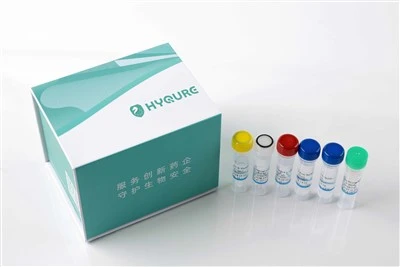
If you’re a food producer looking to reduce spoilage, cut costs, or just test your products more reliably, I’d encourage you to reach out to talk through your specific needs. Whether you’re a small bakery, a dairy plant, or a large meat processing facility, we can help you find the right kit for your products, and provide the training and support you need to get accurate results quickly. Don’t let hidden spoilage microbes derail your business—let’s work together to make your food safer and more efficient.
Host Cell Residual Protein Detection Kits References
- Food and Agriculture Organization of the United Nations. (2022). The State of Food and Agriculture: Reducing Food Loss and Waste for Sustainable Development. Rome: FAO.
- Hering, J. V., et al. (2021). Microbial Detection Technologies for Food Spoilage: A Review of Current and Emerging Methods. Journal of Food Protection, 84(10), 1457-1472.
- AOAC International. (2023). Validation Performance Test Standards for Microbial Methods, 5th ed. Gaithersburg, MD: AOAC International.
- Zhang, L., et al. (2020). Evaluation of PCR-Based Microbial Detection Kits for Spoilage Control in Cold-Pressed Fruit Juices. Food Microbiology, 89, 103452.
- U.S. Food and Drug Administration. (2022). Bacteriological Analytical Manual, Chapter 3: Aerobic Plate Count. Silver Spring, MD: FDA.
HyQure Biotech Co., Ltd.
As a professional microbial detection kits enterprise in China and Switzerland, we rely on international compliance standards, leverages excellent quality and technical strength. If you have any enquiry about cooperation, please feel free to email us.
Address: Building 18, Lane 2777 East Jinxiu Road, Pudong New Area, Shanghai 2.Stücki Park Hochbergerstr. 60 I, 4057 Basel Switzerland
E-mail: service@hyqure.com
WebSite: https://www.hyqure.com/
