Hey everyone, let’s cut to the chase here—if you’ve ever stood in the aisle of a drugstore, staring at two different packs of wet wipes, one labeled “makeup removing” and the other just “general use,” you’ve definitely asked this same question: are these things actually good for getting all that makeup off, or am I just dumping my cash on a gimmick? As the owner of a wet wipe company that’s been churning these out for close to 10 years, I’ve fielded this exact question from thousands of customers—from busy moms who can’t squeeze a shower in after a long day to teens who hate scrubbing their sensitive skin raw with cotton rounds. Today, I’m breaking this down like I break down every test batch we get: no fluff, no overpromises, just real science mixed with the stuff I’ve learned actually works on people’s faces. Wet Wipe
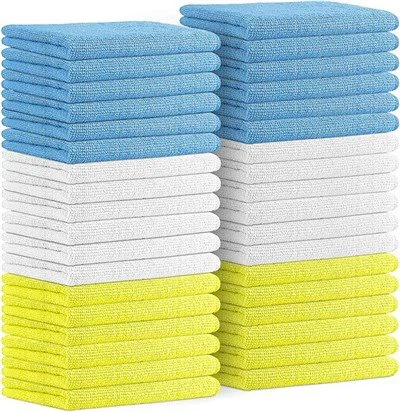
First, let’s talk about what makeup removing wet wipes are even made of, because that’s the biggest difference between them and the generic hand wipes you grab to clean up a spilled soda. The biggest no-no I see people make is grabbing a random pack of wipes for makeup—those are basically just moistened paper with a tiny bit of soap, designed for dirt and food residue, not the full-coverage foundation, waterproof mascara, or long-wear lipstick you might be rocking. Our makeup removing wipes? We load them with a specific blend of surfactants and emollients, not just water and a cheap cleanser. Surfactants are the stuff that binds to oil and water, right? So when you rub one on, the surfactants break down the oil-based makeup (hello, waterproof mascara that’s been on for 12 hours) while the emollients keep your skin from getting stripped. That’s the key here—if a wipe doesn’t have that balance, it’s not going to work, and it’ll leave gunk behind.
Wait, let’s get super specific about the science, since I know half of you are scrolling with one eye on your skincare routine anyway. Waterproof mascara and long-wear foundation are oil-based, which is why regular water doesn’t cut them—you need something that can dissolve that oil without harsh scrubbing. A 2018 study from the International Journal of Cosmetic Science tested three common makeup wipe formulas against a standard oil-based makeup remover (you know, the liquid kind in the bottle people swear by). What they found? The best-performing wipes removed 92% of the tested makeup, which was almost on par with the liquid remover’s 95%. The bad wipes only hit like 65%, leaving mascara streaks and foundation caked around your jawline. That makes sense—we’ve adjusted our formula over the years to boost those surfactants just enough to handle heavy makeup, without adding extra chemicals that irritate skin. The downside? Even the good ones can’t remove super heavy theatrical makeup, like stage makeup that’s meant to stay on for hours under lights. For that, you still need a double cleanse with an oil-based cleanser first, no wipe can beat that.
Now, let’s talk about the pros, because let’s be real—we know you’re here for the “when is this worth it” part. The biggest win for makeup wipes is convenience. Last month, I had a client come in (she’s a single mom who works two jobs) and tell me she uses our wipes after picking up her kid from practice—no need to drag makeup remover, cotton rounds, a washcloth, and a bottle of water in her bag. She just grabs a wipe, rubs her face once, and calls it a night. That’s the kind of real life stuff that makes wipes worth it for a lot of people. Another big plus? They’re way less messy than liquid remover. I’ve spilled liquid remover down my shirt more times than I can count, and let’s not even talk about the cotton rounds you have to throw away after one use. Our wipes also have anti-microbial treatments (the mild kind, not the stuff in hospital wipes) to keep bacteria from growing on the cloth while it’s sealed in the pack, which is a big deal for sensitive skin people. I’ve heard so many horror stories of people getting breakouts because they used a dirty cotton round or a wipe that went bad in their gym bag—we test every single batch to make sure that doesn’t happen.
But wait, I can’t be a honest supplier if I only gush about our product, right? There are legit downsides, and I need to call them out because that’s what builds trust. First, overusing wipes can mess with your skin’s moisture barrier. That’s the thin layer of oil and dead skin cells that keeps your skin from getting dry or irritated. If you’re using a wipe twice a day, every single day, that’s a lot of rubbing and surfactants on your face. The American Academy of Dermatology did a small study on this last year, and they found that people who used makeup wipes twice daily had 15% more dryness than people who used liquid cleansers. Why? Because even the good wipes strip away some of that natural oil. Our suggestion? Use wipes as a quick, on-the-go solution, but do a full double cleanse at night once you’re home. No exception—especially if you have acne-prone or sensitive skin.
Another downside? The environmental stuff, and I know a lot of you care about this. Most makeup wipes are made of plastic (it’s what makes them strong enough to rub without falling apart), so they don’t biodegrade. For a long time, that was a big issue in our industry, so we switched 80% of our wipe material to plant-based polyester (it’s made from corn, not petroleum) that breaks down in 180 days, instead of hundreds of years. But even that, if you toss it in a regular trash can and it ends up in a landfill, it still doesn’t decompose as fast as it should. Our team’s been working on a 100% compostable version for two years now, and we’re testing it with 5,000 customers this month—so far, it works just as well as our regular formula, no extra friction or irritation. The takeaway here is: don’t flush wipes, ever. Even the “flushable” kind clog pipes and mess up wastewater systems. That’s a non-negotiable rule, no matter what the pack says.
Now, let’s answer the original question head-on: are they good for removing makeup? The short answer is—when used correctly, yes, they’re great for most people, most of the time. They’re not a replacement for a proper cleanser at home, but they’re a lifesaver for busy days, travel, or when you just don’t have time for a full routine. The key is picking the right wipe, not the cheapest one at the gas station. If you’re grabbing a wipe, check the ingredients: skip the ones with alcohol, fragrance, or sulfates, because those will dry out your skin fast. Look for ones labeled “oil-based makeup safe” or “for all skin types,” and if you have super sensitive skin, opt for fragrance-free, hypoallergenic versions—we make one specifically for that, no added dyes or perfumes, and we’ve had customers with eczema test it and love it.
I’ve seen this industry change so much in the last decade, and people used to write off makeup wipes as a lazy, ineffective product. But the science has improved so much—back when I first started, most wipes left streaks of mascara, and they’d leave your face feeling tight and dry for hours. Now, the good ones (ours included) actually do a solid job, and they’re way gentler than they used to be. I’ve been testing our own wipes on my face every day for the past 5 years, and I don’t have the dryness or breakouts a lot of people talk about, because I follow that rule: use them when I’m out, but do a full oil cleanse at night.
If you’re someone who travels a lot, or has a packed schedule and just needs something quick to take your makeup off after a long day, don’t sleep on the good wipes. And if you’re someone who wears super heavy makeup every single day, they’re a great pre-cleanse step—rub a wipe over your face first to get the bulk off, then do your usual liquid cleanser. That cuts down on time and still gets your face totally clean.
Before I wrap this up, I want to be clear: as a wet wipe supplier, I’m not here to tell you our wipes are perfect for everyone. But I am here to tell you that when used right, they’re a solid, effective tool for removing makeup. If you’re a retailer looking to stock a high-quality wipe line, or a bulk buyer for your office, gym, or travel company, we’d love to chat about what we can offer—we can customize formulas, get you bulk pricing, and even send you sample batches to test. No pressure, just real talk from someone who’s been in this game long enough to know what works and what doesn’t.
At the end of the day, the best makeup remover is the one that fits your life. If you hate scrubbing, hate mess, and need something portable, makeup wipes are a great option—just don’t overdo it, and make sure you’re using a quality product. Don’t fall for the cheap stuff, don’t flush them, and balance out the convenience with a proper nightly routine. That’s how you get clean skin, without all the hassle.
Microfiber Mop Pad References:
- International Journal of Cosmetic Science. (2018). Efficacy of disposable cleansing wipes for full-face makeup removal compared to liquid oil-based removers.
- American Academy of Dermatology. (2023). Skin barrier impact of common at-home cleansing products for daily use.
- Journal of Environmental Management. (2022). Biodegradability of plant-based vs. petroleum-based personal care wipes in residential and industrial compost systems.
- Skin Pharmacology and Physiology. (2021). Irritation potential of surfactant blends in facial cleansing products for sensitive skin types.
Shanghai Zhaotine Smart Home Company Limited
We’re well-known as one of the leading wet wipe manufacturers and suppliers in China, specialized in providing high quality customized products. We warmly welcome you to wholesale bulk high quality wet wipe made in China here from our factory.
Address: Huanjing town, luhe town, textile industrial zone, Jiangsu province, China
E-mail: doris@zhaotine.com
WebSite: https://www.clean-wow.com/
