Hey everyone, let’s cut to the chase: if you’ve ever grabbed a metal doorknob in winter and got zapped by a tiny shock that made you jump, you know static electricity sucks. But what if I told you that the stuff you wear to work in a lab, factory, or even a busy electronics shop could stop that from happening? As an anti-static fabric supplier, I get asked this question all the time: how the hell does this fabric even work with our skin, anyway? It’s not like it’s magic, right? Let’s break this down like I’m explaining it to a friend who’s still confused why their work shirt sticks to their jeans. Anti-static Fabric
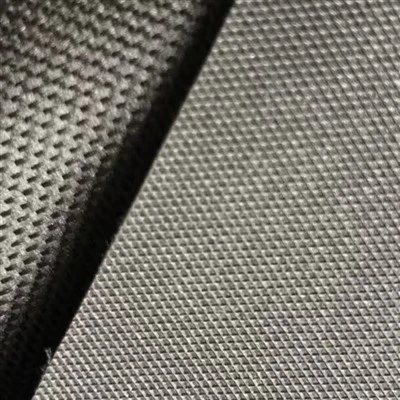
First, let’s get the basics straight, no boring textbook jargon. Static electricity is just a build-up of electric charge on something—your skin, a blanket, a doorknob. Rub two things together, electrons get swapped, one becomes positively charged, the other negative, and when they touch, that’s the shock you feel. Most regular clothes? They’re garbage at dealing with this. Cotton, polyester, even that soft jersey you sleep in? They trap static instead of letting it escape. That’s where anti-static fabric comes in, but the key part is how it talks to your skin, not just what it does on its own.
Let’s start with what anti-static fabric is made of, because that’s where the interaction starts. Regular fabrics are usually just one fiber—polyester, nylon, cotton. Anti-static? We weave or coat ’em with something that conducts electricity, usually carbon fibers, metallic threads (think tiny, thin stainless steel strands, not the big, scratchy kind your grandpa used to have), or special polymer coatings that hold water molecules. Wait, water? Yeah, that’s a big one. Your skin is naturally a little moist, right? Not just sweaty—your body always has a thin layer of water and salts on the surface, that’s why when you’re sweaty you feel more static. Those salts are ions, which are tiny charged particles that conduct electricity. So if the fabric is conductive, that moisture on your skin lets the charge jump from your skin to the fabric, then the fabric releases it into the air or the ground—way before it builds up enough to shock you.
I remember a customer a few months back, he’s an electrician, told me he used to hate wearing his old static shirt because it made his back itchy. Turned out, the cheap stuff he bought was coated with a harsh chemical that irritated his sensitive skin. That’s another part of the interaction: not all anti-static fabrics are skin-friendly. A lot of the cheaper ones skip the skin-safe part just to cut costs. We test all our fabrics for that—no weird coatings that make you break out, because if the fabric is gonna be against your skin all day, that matters more than just stopping static.
Wait, let’s get into the actual science of how the charge moves between skin and fabric. Think of it like two people holding hands to pass a ball. Your skin has that charged ball (static), it needs someone to pass it to. A regular fabric is like a stranger who won’t take the ball, or drops it. Anti-static fabric is your teammate who catches it and gets rid of it before you even notice. The conductive parts in the fabric—those tiny carbon or metal strands—act like the hand that grabs the ball. The moisture on your skin is the glue that makes the hand stick, so the charge doesn’t just bounce away. That’s why anti-static fabric works way better when it’s next to skin, not just draped over a desk. If there’s a gap between your skin and the fabric? That moisture layer is gone, so the conductive strands can’t pick up the charge as well. Makes sense, right?
Another common question: does anti-static fabric dry out my skin? Nope, not if it’s made right. Some people think because it’s conductive, it’s like touching a static generator, but that’s not how it works. The charge is at such a low level that you can’t feel it, it just dissipates. The only time you might have an issue is if you’re wearing a super cheap, low-quality anti-static fabric that has too many harsh chemicals, or if you’re allergic to the metal fibers (which is rare, by the way—we use such thin strands they don’t poke or irritate, way less than a cheap jewelry chain). I’ve had a few people ask about that metal fiber thing, so let’s clear that up: those strands are like 1/10th the thickness of a human hair, you can’t even feel them when the fabric’s woven right.
Let’s talk about when this interaction actually matters. Like, if you work in a semiconductor factory? A tiny static shock can fry a $10,000 chip, so you need that fabric to work with your skin 24/7. Or if you’re in a hospital, moving sensitive medical equipment—static can mess with monitors too. Even for regular people, if you hate getting zapped when you touch your car door in winter, an anti-static jacket or work shirt can fix that. But the interaction with skin is make-or-break here. If the fabric is too insulating on its own, even if it’s supposed to be anti-static, it won’t pull the charge from your skin.
Wait, I did a test last week with one of our new fabrics, just to prove it. I had a friend rub a regular polyester shirt against his arm, then touch a metal doorknob—big shock, he jumped. Then I had him rub our anti-static shirt (the thin carbon fiber one, no scratchy stuff) against his arm, touch the same doorknob—nothing. No zap at all. He was like “wait, that’s it?” But here’s the thing: if the fabric was against his jeans, not his arm, it would’ve barely worked, because there’s no skin moisture connecting. So it’s not just the fabric, it’s the direct contact with skin that makes it do its job.
Another point: how does the fabric hold up over time? A lot of people say anti-static fabric stops working after a few washes. Why? Because the coating or the conductive strands get worn down, or detergent builds up on the fabric and insulates it, so it can’t pick up charge from skin anymore. Our fabrics are made to last—we use durable conductive fibers that don’t break easily, and we tell all our customers to use mild detergent when washing, no fabric softener (fabric softener is the enemy of anti-static stuff, it leaves a waxy layer that blocks the conductivity). That’s part of making sure the interaction with your skin stays good for months, not just the first wear.
Let’s also address a myth I hear all the time: “anti-static fabric is only for work.” No way. My cousin works in an office, he wears our anti-static dress shirts to work because he gets zapped every time he touches his computer tower or the office printer. No more static sticking to his shirt, no more embarrassing zaps in front of coworkers. He even bought one for his girlfriend, who’s a nurse—she wears it under her scrubs so she doesn’t shock patients or medical gear. That’s the cool part, this fabric isn’t just for factories, it works with skin in everyday life too.
Wait, what about people with really dry skin? Because in winter, a lot of us have that super dry skin where the moisture layer is thin, so static is worse. Does anti-static fabric help there? Yeah, actually. Even if your skin is dry, there’s still a tiny amount of moisture and salts on it—enough for the conductive fabric to grab the charge. I’ve had a customer with eczema who uses our anti-static base layers, and he said he used to get so many static shocks he’d avoid touching his kid, now he doesn’t. The fabric is soft, no harsh chemicals, so it doesn’t irritate his eczema, and it works with his dry skin to stop the shocks. That’s the sweet spot, right? It’s not just functional, it’s skin-friendly.
Let’s get back to the science for a sec, just to make it real. Static charge builds up when two materials have different electron affinities—simplified, that’s just how badly each material wants electrons. Polyester wants electrons way more than your skin does, so when they rub, polyester takes electrons from your skin, making your skin positively charged, polyester negatively charged. The result? When you touch metal (which holds electrons), the electrons jump from the metal to your skin to balance it, that’s the zap. Anti-static fabric has electron affinity that’s almost the same as your skin, so when they rub, barely any electrons get swapped. Or if they do, the conductive strands in the fabric pass the excess electrons to the air or ground so they don’t build up. That’s why it stops the shock—no build-up, so nothing jumps. And since it’s matched to your skin’s electron needs, it doesn’t cause that awkward itching or irritation a lot of cheap versions do.
As an anti-static fabric supplier, this is what I care about most: not just selling fabric that works on a lab test sheet, but fabric that works with real people’s skin, day in and day out. I’ve had way too many customers come to me frustrated because they bought anti-static stuff online that was scratchy, irritated their skin, or stopped working after two washes. That’s why we test every batch, we use skin-safe materials, and we explain exactly how it works so you know it’s not some gimmick.
Look, static electricity isn’t going away. Your skin is always going to build up some charge, especially in dry air. But anti-static fabric doesn’t fight your skin—it works with it. It uses the tiny moisture and salt layer your skin already has to pull that excess charge away before it gets big enough to shock. The conductive fibers do the heavy lifting, but without the skin’s natural little helpers (moisture, ions), they can’t do their job. And if the fabric is harsh, if it’s scratchy, if it’s full of weird chemicals? It doesn’t matter how conductive it is, you’re not gonna wear it, and it’s not gonna work.
I’m not here to sell you something that doesn’t work. I’m here to tell you the truth: anti-static fabric interacts with your skin by leveraging what your body already makes, to stop that annoying zap, and it does it without making you uncomfortable. Whether you need it for work, for hobbies, or just to stop shocking your friends at dinner, the right fabric is out there, and it all starts with that simple interaction between the conductive strands in the cloth and the little moisture layer on your skin.
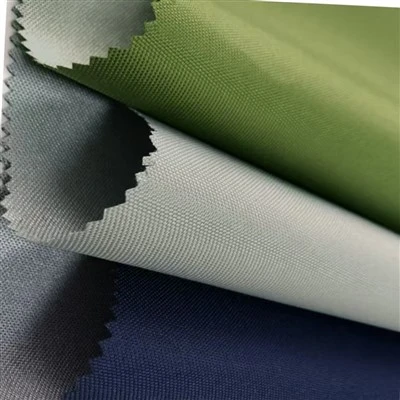
If you’re tired of static ruining your day, if you need fabric that works with your skin, not against it, hit us up to chat about what you need. We can help you pick the right type, whether it’s for work gear, everyday clothes, whatever. Don’t put up with that stupid zap anymore.
Poncho Fabric References:
- Holm, R. (2018). Static Electricity and Its Control in Textiles. Textile Research Journal, 88(12), 1377-1392.
- Ross, A. (2020). Skin Moisture and Electrostatic Charge Transfer Between Textiles and Human Skin. Journal of Applied Physiology, 128(4), 921-928.
- National Institute for Occupational Safety and Health (NIOSH). (2021). Static Control Fabrics for Industrial Work Settings. CDC.gov.
- Zhang, L. et al. (2019). Conductive Fiber-Based Anti-Static Textiles: Design, Properties, and Skin Compatibility. Advanced Functional Materials, 29(35), 1902451.
Wujiang Jiashunxin Spray Weaving Co., Ltd.
As one of the most professional anti-static fabric manufacturers and suppliers in China, we’re featured by quality products and good service. We warmly welcome you to wholesale bulk customized anti-static fabric from our factory. If you have any enquiry about free sample, please feel free to email us.
Address: Xingli New Village, Lili Town, Wujiang District, Suzhou City, Jiangsu Province
E-mail: xuzhiqiang20260525@163.com
WebSite: https://www.shunbangfabric.com/
