Technical specifications of alum beams are crucial aspects that potential buyers often focus on. As a supplier of alum beams, I understand the importance of these specifications in determining the suitability of the product for various applications. Alum Beams
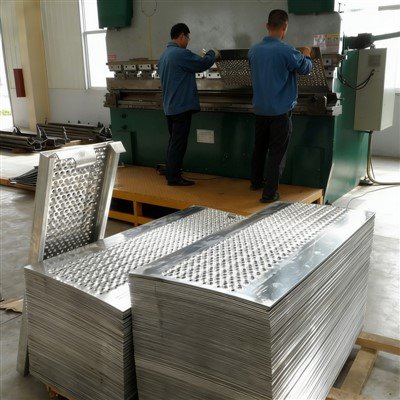
1. Material Composition
Alum beams are primarily made of aluminum. The base aluminum material used in our alum beams is typically an alloy, which offers a combination of desirable properties. Common aluminum alloys used in beam manufacturing include 6061 and 6063.
Alloy 6061 is known for its high strength – to – weight ratio. It contains magnesium and silicon as the major alloying elements. This alloy provides good corrosion resistance, making it suitable for both indoor and outdoor applications. It can withstand a wide range of environmental conditions without significant degradation.
Alloy 6063, on the other hand, is valued for its excellent extrudability. It has a lower strength compared to 6061 but offers better surface finish and is easier to machine. This makes it a popular choice for applications where appearance and precision are important, such as in architectural and decorative elements.
In addition to the main alloying elements, there are also small amounts of other elements present in trace quantities. These trace elements can have a minor yet significant impact on the overall properties of the alum beams. For example, copper in small amounts can enhance the strength and hardness of the alloy, while manganese can improve the grain structure and reduce the tendency for cracking during processing.
2. Physical Dimensions
The physical dimensions of alum beams play a vital role in their applications. We offer alum beams in a wide range of sizes to meet the diverse needs of our customers.
2.1 Cross – sectional Shapes
The most common cross – sectional shapes of our alum beams include rectangular, square, and I – beam. Rectangular alum beams are versatile and can be used in a variety of structural and non – structural applications. They provide a large surface area for attachment, making them suitable for applications such as frames and supports.
Square alum beams offer equal strength in all directions, which is beneficial in applications where load is applied from multiple directions. They are often used in the construction of modular structures and in equipment frames.
I – beam alum beams are designed to provide maximum strength while minimizing weight. The shape of the I – beam distributes the load efficiently along the length of the beam, making it ideal for large – scale structural applications, such as in building construction and bridge building.
2.2 Sizes
The dimensions of the cross – section of our alum beams can range from small sizes, such as 10mm x 10mm for square beams, to large sizes of up to 200mm x 300mm for rectangular beams. The length of the beams can be customized according to the customer’s requirements, typically ranging from 1 meter to 6 meters. Longer lengths are also available upon request, although they may require special handling and transportation arrangements.
3. Mechanical Properties
The mechanical properties of alum beams determine their ability to withstand various loads and forces.
3.1 Tensile Strength
Tensile strength is the maximum stress that a material can withstand while being pulled or stretched before it breaks. The tensile strength of our alum beams made from 6061 alloy can range from 240 MPa to 310 MPa, depending on the heat treatment and manufacturing process. Alum beams made from 6063 alloy have a lower tensile strength, typically in the range of 180 MPa to 210 MPa.
3.2 Yield Strength
Yield strength is the stress at which a material begins to deform plastically. For 6061 alum beams, the yield strength is usually around 205 MPa, while for 6063 alum beams, it is approximately 110 MPa. Yield strength is an important property as it indicates the maximum load that a beam can carry without permanent deformation.
3.3 Modulus of Elasticity
The modulus of elasticity, also known as Young’s modulus, measures the stiffness of a material. It is the ratio of stress to strain within the elastic range of the material. The modulus of elasticity for aluminum alloys used in our alum beams is approximately 69 GPa. A higher modulus of elasticity means that the beam will deform less under a given load.
3.4 Hardness
Hardness is a measure of a material’s resistance to indentation, scratching, or abrasion. The hardness of our alum beams can be enhanced through heat treatment processes. The Brinell hardness number (BHN) of 6061 alum beams after heat treatment can range from 95 to 110, while 6063 alum beams typically have a BHN of around 60 – 70.
4. Surface Finish
The surface finish of alum beams not only affects their appearance but also their performance. We offer different surface finish options to meet the specific requirements of our customers.
4.1 Anodized Finish
Anodizing is a popular surface treatment for alum beams. It involves creating an oxide layer on the surface of the aluminum through an electrochemical process. The anodized finish provides enhanced corrosion resistance, improved wear resistance, and a decorative appearance. We can offer anodized finishes in different colors, such as clear, black, gold, and bronze, to meet the aesthetic requirements of the customers.
4.2 Powder Coated Finish
Powder coating is another surface finish option that we provide. It involves applying a dry powder to the surface of the alum beam and then heating it to form a hard, durable finish. Powder coating offers excellent color variety, high – quality finish, and good resistance to chipping, scratching, and fading. It is a cost – effective and environmentally friendly alternative to traditional painting methods.
4.3 Mill Finish
Mill finish is the natural surface finish of the alum beam as it comes out of the manufacturing process. It has a dull, silver – gray appearance and is suitable for applications where appearance is not a critical factor. Mill – finish alum beams are often used in industrial applications where corrosion resistance is the primary concern.
5. Corrosion Resistance
Aluminum has inherent corrosion resistance due to the formation of a thin, protective oxide layer on its surface. However, the corrosion resistance of our alum beams can be further enhanced through various surface treatments and alloy selection.
The anodized finish, as mentioned earlier, significantly improves the corrosion resistance of the alum beams. The anodized oxide layer acts as a barrier, preventing the underlying aluminum from coming into contact with corrosive agents such as moisture, oxygen, and chemicals.
In addition, the alloy composition also plays a role in corrosion resistance. Alloys with a higher silicon content, such as 6063, tend to have better corrosion resistance compared to alloys with a higher copper content.
Our alum beams are suitable for a wide range of environments, including marine environments where they are exposed to saltwater. However, in highly corrosive environments, additional protective measures such as the use of coatings or isolation from corrosive substances may be required.
6. Machinability
One of the advantages of alum beams is their good machinability. They can be easily cut, drilled, milled, and welded using standard metalworking tools and techniques.
The 6063 alloy, in particular, is known for its excellent machinability. It can be machined at high speeds with minimal tool wear, resulting in smooth and precise cuts. This makes it a preferred choice for applications that require complex machining operations, such as the production of custom – designed components.
However, when machining alum beams, it is important to use the appropriate cutting tools and lubricants to prevent chip welding and to ensure a good surface finish.
Conclusion
In conclusion, the technical specifications of our alum beams, including material composition, physical dimensions, mechanical properties, surface finish, corrosion resistance, and machinability, make them suitable for a wide range of applications. Whether you are in the construction industry, manufacturing industry, or any other field that requires high – quality aluminum beams, we can provide you with the right product to meet your needs.
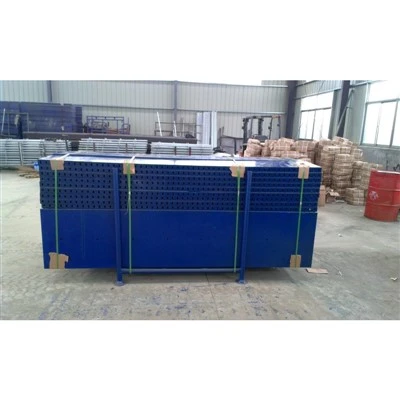
If you are interested in learning more about our alum beams or would like to discuss your specific requirements for procurement, please feel free to reach out. Our team of experts is ready to assist you in selecting the most suitable alum beams for your project.
Scaffoldings References:
- ASM Handbook Volume 2: Properties and Selection: Nonferrous Alloys and Special – Purpose Materials
- Aluminum Association Technical Reports on Aluminum Alloys and Their Applications
- Industrial Metalworking Handbook: Machining of Aluminum and Aluminum Alloys
Rizhao Wellfit Scafform Co., Ltd.
Address: No. 7, Huasheng Road, Taoluo Town Industrial Zoon, Donggang District, Rizhao City
E-mail: sales@wfscafform.com
WebSite: https://www.wfscafform.com/
