As a supplier of molybdenum heating elements, I often get asked if these elements can be used in heating thin – film materials. It’s a great question, and one that I’m more than happy to dive into. Molybdenum Heating Elements

Let’s start by understanding what molybdenum heating elements are. Molybdenum is a super – tough metal. It can handle really high temperatures without melting or deforming easily. That’s why it’s a top choice for making heating elements. These elements are used in all sorts of industrial heating applications, from furnaces to vacuum systems.
Now, thin – film materials are a whole different ballgame. They’re super thin, often just a few nanometers to a few micrometers thick. They’re used in a bunch of high – tech stuff like solar panels, semiconductors, and display screens. The key with thin – film materials is that they need to be heated evenly, without getting damaged or warped.
So, can molybdenum heating elements be used to heat them? The short answer is yes, but there are some things to keep in mind.
The Advantages of Using Molybdenum Heating Elements for Thin – Film Materials
High – Temperature Capability
Thin – film materials sometimes need to be heated to pretty high temperatures during their manufacturing process. For example, some semiconductor thin – films need annealing at temperatures around 800 – 1000°C. Molybdenum heating elements can easily reach and maintain these high temperatures. They have a melting point of about 2623°C, so they’re not gonna start melting or losing their shape when you’re cranking up the heat.
Uniform Heating
One of the most critical requirements for heating thin – film materials is uniform temperature distribution. Molybdenum heating elements can be designed to provide this. You can shape them in different ways, like coils or flat plates, to fit the heating needs of the thin – film setup. When they’re properly installed and controlled, they can heat the thin – film materials evenly across the surface. This is super important because uneven heating can cause stress in the thin – film, leading to cracks or other defects.
Chemical Inertness
Molybdenum is chemically inert in many environments. When heating thin – film materials, you don’t want the heating element to react with the material. For example, in some vacuum deposition processes for thin – films, any chemical reaction between the heating element and the thin – film material could contaminate the film. Molybdenum’s inertness helps prevent this from happening, ensuring the purity of the thin – film.
Challenges and Considerations
Thermal Expansion Mismatch
One of the main challenges when using molybdenum heating elements to heat thin – film materials is the difference in thermal expansion. Molybdenum has a certain rate at which it expands when heated, and thin – film materials can have a different rate. If this difference is too large, it can cause problems. For example, when the heating element expands more than the thin – film during heating, it can put stress on the film. To deal with this, you need to carefully select the thin – film material and design the heating setup to minimize these stresses. Maybe you can use some kind of buffer layer between the heating element and the thin – film to absorb the expansion differences.
Contamination Risk (Even with Inertness)
Even though molybdenum is chemically inert, there’s still a small risk of contamination. Over time, tiny particles of molybdenum could flake off the heating element and land on the thin – film. This is especially a concern in high – precision applications like semiconductor manufacturing. To reduce this risk, you can coat the molybdenum heating element with a protective layer. Some coatings can prevent the molybdenum from flaking and also improve the element’s performance.
Cost
Molybdenum is not the cheapest material out there. Compared to some other heating element materials, like nichrome, molybdenum is more expensive. This can be a factor when considering using molybdenum heating elements for heating thin – film materials. However, you have to think about the long – term benefits. Molybdenum’s high – temperature performance and reliability can lead to better – quality thin – film products, which in turn can bring in more money in the long run. So, while the upfront cost is higher, it might be worth it depending on your production needs.
Real – World Applications
Let’s look at some real – world examples of using molybdenum heating elements to heat thin – film materials.
Solar Panel Manufacturing
In the production of thin – film solar panels, the thin – film layers need to be heated to specific temperatures to improve their electrical properties. Molybdenum heating elements are often used in the annealing process. The high – temperature capability of molybdenum allows for efficient annealing, which helps increase the efficiency of the solar panels. Their uniform heating also ensures that the thin – film layers on the entire panel are heated evenly, resulting in a more consistent product.
Semiconductor Fabrication
For semiconductor thin – films, precision heating is crucial. Molybdenum heating elements can be used in vacuum chambers to heat the semiconductor wafers during various processes like thin – film deposition. Their chemical inertness ensures that the semiconductor films remain pure, which is essential for the performance of the final semiconductor devices.
How We Can Help
As a supplier of molybdenum heating elements, we’ve got a lot of experience in custom – making elements for different applications, including heating thin – film materials. We can design and manufacture heating elements that are tailored to your specific needs.
If you’re worried about thermal expansion mismatch, we can work with you to select the right shapes and dimensions of the heating elements. We can also suggest buffer layer materials or coatings that can help minimize the stress on the thin – film.
And if cost is a concern, we can talk about different pricing options. Maybe there’s a way to optimize the design of the heating elements to reduce the amount of molybdenum used without sacrificing performance.
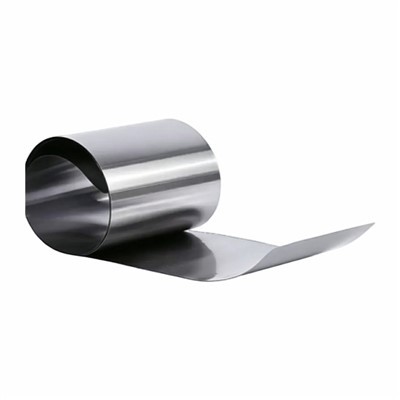
We’ve got a team of experts who are always ready to answer your questions and provide technical support. Whether you’re just starting to explore using molybdenum heating elements for your thin – film heating process or you’re looking to upgrade your existing setup, we’re here to help.
Tungsten Products If you’re interested in learning more about our molybdenum heating elements or want to start a discussion about your specific thin – film heating needs, don’t hesitate to reach out. We’re always happy to have a chat and see how we can work together to improve your production process.
References
- "Handbook of Advanced Electronic and Photonic Materials and Devices", edited by H.S. Nalwa.
- "Thin Film Processes II", edited by J.L. Vossen and W. Kern.
- "Materials Science and Engineering: An Introduction", by William D. Callister Jr. and David G. Rethwisch.
China Super Tech Co., Ltd.
As one of the most professional molybdenum heating elements manufacturers and suppliers in China, we warmly welcome you to buy OEM molybdenum heating elements from our factory. All custom made products are with high quality and competitive price. Contact us for quotation.
Address: Wangjing Science and Technology Park, Guangshun North Street, Chaoyang District, Beijing
E-mail: sales@moly-tungsten.com
WebSite: https://www.moly-tungsten.com/
