As a supplier of IR illuminators, I understand the importance of accurate testing to ensure the quality and performance of these devices. IR illuminators play a crucial role in various applications, such as security surveillance, wildlife monitoring, and night vision systems. In this blog post, I will share some key aspects and methods on how to test an IR illuminator effectively. IR Illuminator

Understanding the Basics of IR Illuminators
Before diving into the testing process, it’s essential to have a clear understanding of what an IR illuminator is and how it works. An IR illuminator emits infrared light, which is invisible to the human eye but can be detected by cameras equipped with infrared sensors. This allows for enhanced visibility in low – light or no – light conditions.
The main components of an IR illuminator include the infrared LEDs, a power supply, and a housing. The quality of these components directly affects the performance of the illuminator. For example, high – quality infrared LEDs will emit a more consistent and powerful infrared beam.
Visual Inspection
The first step in testing an IR illuminator is a visual inspection. This simple yet important step can help identify any obvious physical defects.
- Check the Housing: Inspect the housing of the IR illuminator for any cracks, scratches, or signs of damage. A damaged housing can compromise the protection of the internal components and may also affect the alignment of the LEDs. Make sure the housing is properly sealed to prevent dust, moisture, and other contaminants from entering.
- Examine the LEDs: Look at the infrared LEDs closely. Check for any broken or damaged LEDs. A damaged LED may not emit infrared light or may emit an inconsistent beam. Also, ensure that the LEDs are properly aligned and evenly spaced.
Electrical Testing
Electrical testing is crucial to ensure that the IR illuminator is receiving the correct power and functioning properly at an electrical level.
- Power Consumption: Use a power meter to measure the power consumption of the IR illuminator. Compare the measured value with the specifications provided by the manufacturer. An abnormal power consumption may indicate a problem with the internal circuitry or the LEDs.
- Voltage and Current: Measure the voltage and current at the input of the IR illuminator. The voltage should be within the specified range, and the current should be stable. Fluctuations in voltage or current can cause the LEDs to operate inefficiently or even damage them.
Beam Pattern and Intensity Testing
The beam pattern and intensity of an IR illuminator are critical factors that determine its effectiveness in real – world applications.
- Beam Pattern: To test the beam pattern, you can use a simple setup with a white screen placed at a certain distance from the IR illuminator. Turn on the illuminator in a dark room and observe the pattern of the infrared light on the screen. The beam pattern should be uniform, without any dark spots or uneven distribution. You can also use a camera with infrared sensitivity to capture the beam pattern for more detailed analysis.
- Intensity Measurement: There are specialized tools available for measuring the intensity of infrared light, such as an infrared light meter. Place the light meter at different distances from the IR illuminator and at various angles within the beam pattern. Record the intensity values at each point. Compare these values with the manufacturer’s specifications. A significant deviation from the specified intensity may indicate a problem with the LEDs or the optical design of the illuminator.
Range Testing
The effective range of an IR illuminator is an important parameter, especially for applications like security surveillance.
- Field Testing: Conduct field tests in a real – world environment. Set up the IR illuminator and a camera with infrared sensitivity at a known distance. Observe the visibility of the area illuminated by the IR illuminator through the camera. Gradually increase the distance between the illuminator and the camera until the visibility starts to degrade significantly. This distance can be considered as the effective range of the IR illuminator.
- Simulation: In addition to field testing, you can also use computer simulations to estimate the range of the IR illuminator. There are software programs available that can model the propagation of infrared light based on the characteristics of the LEDs and the optical design of the illuminator.
Color Temperature and Spectral Analysis
The color temperature and spectral characteristics of an IR illuminator can affect the quality of the images captured by the camera.
- Color Temperature: Although infrared light is invisible to the human eye, the color temperature of the infrared spectrum can impact the color accuracy of the visible light image when the camera is operating in low – light conditions. Use a spectrometer to measure the color temperature of the infrared light emitted by the illuminator. Compare the measured value with the desired color temperature for the specific application.
- Spectral Analysis: Analyze the spectral distribution of the infrared light. A well – designed IR illuminator should have a narrow and well – defined spectral peak within the infrared range. Any significant deviation from the expected spectral distribution may indicate a problem with the LEDs or the filtering mechanism in the illuminator.
Environmental Testing
IR illuminators are often used in various environmental conditions, so it’s important to test their performance under different environmental factors.
- Temperature Testing: Place the IR illuminator in a temperature – controlled chamber and subject it to different temperatures, both high and low. Measure the performance of the illuminator, including power consumption, beam intensity, and color temperature, at each temperature. This can help determine the operating temperature range of the illuminator and identify any temperature – related issues.
- Humidity Testing: Similar to temperature testing, expose the IR illuminator to different humidity levels in a humidity – controlled chamber. Check for any signs of moisture damage, such as corrosion or short – circuits. Also, measure the performance of the illuminator to ensure that it is not affected by high humidity.
Conclusion
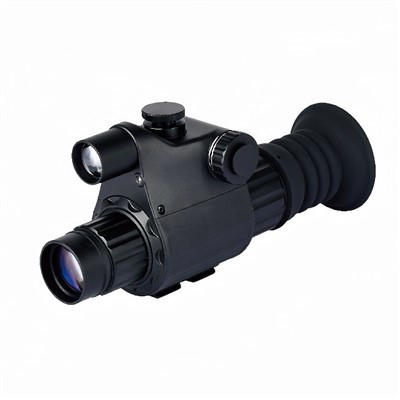
Testing an IR illuminator thoroughly is essential to ensure its quality, performance, and reliability. By following the methods described in this blog post, you can accurately assess the characteristics of an IR illuminator and identify any potential issues.
Other Products If you are in the market for high – quality IR illuminators and would like to learn more about our products or discuss a potential purchase, we encourage you to reach out. Our team of experts is ready to assist you with all your questions and provide you with the best solutions for your specific needs.
References
- Infrared Technology Handbook, Third Edition, Edited by Richard J. Gunion
- Principles of Infrared Technology, by Brian J. F. Mahon
- IEEE Transactions on Instrumentation and Measurement, various issues related to infrared device testing.
Shenzhen Detyl Optoelectronics Co., Ltd.
With abundant experience, we are one of the most professional ir illuminator manufacturers and suppliers in China. Please rest assured to buy customized ir illuminator at competitive price from our factory. For pricelist and quotation, contact us now.
Address: 4th Floor, Building 3, Factory, No. 20, Second Industrial Avenue, Tangxiayong Community, Yanluo Street, Bao’an District, Shenzhen
E-mail: sales@detyl.com
WebSite: https://www.detyl.net/
