Eco – friendly packaging has emerged as a significant trend in recent years, and its impact on the cosmetic industry’s waste management cannot be overstated. As a supplier of eco – friendly cosmetic packaging, I have witnessed firsthand how this shift is transforming the way the cosmetic industry approaches waste. Eco Friendly Cosmetic Packaging
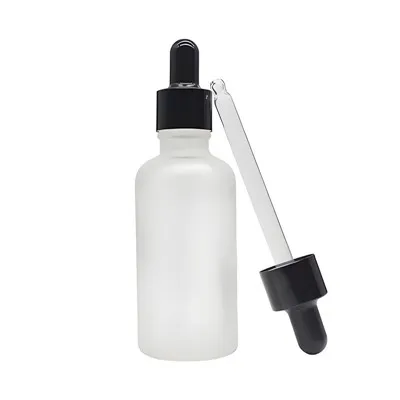
The Current State of Cosmetic Packaging Waste
The cosmetic industry is notorious for generating a substantial amount of waste. Traditional cosmetic packaging often consists of materials like plastic, glass, and metal. Plastic, in particular, is a major culprit. It is lightweight, cheap to produce, and has excellent barrier properties, which make it a popular choice for packaging cosmetics. However, plastic is also non – biodegradable and can take hundreds of years to break down in the environment.
According to a report by the Ellen MacArthur Foundation, the global plastic packaging market is expected to continue to grow, and the cosmetic industry is a significant contributor to this growth. The excessive use of plastic in cosmetic packaging has led to a build – up of waste in landfills and oceans. This not only has a negative impact on the environment but also on human health, as plastic waste can release harmful chemicals into the soil and water.
The Rise of Eco – Friendly Packaging
In response to the growing environmental concerns, there has been a significant shift towards eco – friendly packaging in the cosmetic industry. Eco – friendly packaging refers to materials that are sustainable, recyclable, biodegradable, or compostable. Some of the popular eco – friendly materials used in cosmetic packaging include paper, cardboard, bamboo, and bioplastics.
Paper and cardboard are renewable resources that can be easily recycled. They are also lightweight, which reduces transportation costs and carbon emissions. Bamboo is a fast – growing and renewable material that is strong and durable. It can be used to make various types of cosmetic packaging, such as boxes and tubes. Bioplastics are made from renewable biomass sources, such as corn starch or sugarcane, and they have the advantage of being biodegradable or compostable.
Impact on the Cosmetic Industry’s Waste Management
Reduction in Landfill Waste
One of the most significant impacts of eco – friendly packaging on the cosmetic industry’s waste management is the reduction in landfill waste. Since eco – friendly materials are either recyclable, biodegradable, or compostable, they do not end up in landfills for long periods. For example, paper and cardboard packaging can be recycled into new paper products, while bioplastics can break down naturally in the environment. This helps to reduce the volume of waste that accumulates in landfills, which is a major environmental concern.
Lower Carbon Footprint
Eco – friendly packaging also has a positive impact on the cosmetic industry’s carbon footprint. The production of traditional plastic packaging requires a large amount of energy and fossil fuels. In contrast, the production of eco – friendly materials like paper and bamboo generally requires less energy and has a lower carbon footprint. Additionally, the lightweight nature of some eco – friendly materials reduces transportation emissions, as less fuel is needed to transport the products.
Enhanced Brand Image
Consumers are becoming increasingly environmentally conscious and are more likely to support brands that use eco – friendly packaging. By adopting eco – friendly packaging, cosmetic companies can enhance their brand image and attract more environmentally conscious consumers. This can lead to increased sales and brand loyalty. For example, a study by Accenture found that 62% of consumers want companies to take a stand on environmental issues, including the use of sustainable packaging.
Regulatory Compliance
Governments around the world are implementing stricter regulations on packaging waste. By using eco – friendly packaging, cosmetic companies can ensure compliance with these regulations and avoid potential fines and legal issues. For instance, the European Union has introduced regulations aimed at reducing single – use plastic waste, which includes plastic cosmetic packaging.
Challenges and Strategies for Adoption
Cost
One of the main challenges in adopting eco – friendly packaging is the cost. Eco – friendly materials are often more expensive than traditional materials. However, as the demand for eco – friendly packaging increases, economies of scale are likely to drive down the costs. Cosmetic companies can also consider passing on some of the additional costs to consumers who are willing to pay more for sustainable products.
Performance and Compatibility
Another challenge is ensuring that eco – friendly packaging performs as well as traditional packaging. For example, eco – friendly materials need to provide adequate protection for cosmetics, prevent leakage, and maintain the product’s shelf – life. As a supplier, we work closely with cosmetic companies to develop packaging solutions that meet both environmental and performance requirements.
Consumer Education
Consumer education is also crucial for the widespread adoption of eco – friendly packaging. Many consumers may not be aware of the benefits of eco – friendly packaging or how to properly recycle or dispose of it. Cosmetic companies can play a role in educating their consumers through labeling and marketing campaigns.
Future Trends
The trend towards eco – friendly packaging in the cosmetic industry is expected to continue to grow in the future. We can expect to see more innovation in eco – friendly materials, such as the development of new types of bioplastics with improved performance. There will also be an increased focus on circular economy models, where packaging materials are recycled and reused multiple times.
Conclusion

As a supplier of eco – friendly cosmetic packaging, I am excited to see the positive impact that this trend is having on the cosmetic industry’s waste management. The shift towards eco – friendly packaging is not only beneficial for the environment but also for the long – term success of cosmetic companies. It helps to reduce landfill waste, lower the carbon footprint, enhance brand image, and ensure regulatory compliance.
Glass Makeup Jars If you are a cosmetic company looking to improve your waste management and adopt eco – friendly packaging solutions, I encourage you to reach out. We are committed to providing high – quality, sustainable packaging options that meet your specific needs. Let’s work together to create a more sustainable future for the cosmetic industry.
References
- Ellen MacArthur Foundation. (2021). The New Plastics Economy: Rethinking the Future of Plastics.
- Accenture. (2020). Consumer Pulse Research: Sustainability.
Shanghai Medellin Technology Co., Ltd.
As one of the most professional eco friendly cosmetic packaging manufacturers and suppliers in China, we serve over 200 renowned cosmetic companies in Italy and France. Please rest assured to wholesale bulk high quality eco friendly cosmetic packaging from our factory. Also, custom service is available.
Address: No. 298, Lianrong Building, Linping District, Hangzhou, Zhejiang, China
E-mail: sales@toppackaging.cn
WebSite: https://www.medellin-cn.com/
