Hey there! I’m a supplier of electric wires, and I often get asked this question: "Can I use an electric wire for a low – voltage application?" Well, let’s dive right into it. Electric Wire
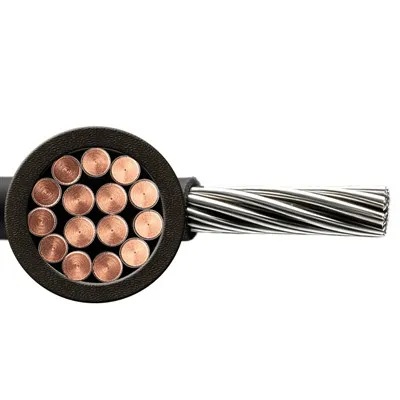
First off, what exactly is a low – voltage application? Low – voltage systems typically operate at 50 volts or less. You’ll find them in a bunch of places like doorbells, landscape lighting, and security cameras. These applications have different electrical requirements compared to high – voltage systems.
So, can you use an electric wire for a low – voltage application? The short answer is yes, but it’s not as simple as just grabbing any wire. There are a few important factors you need to consider.
Wire Size
One of the most crucial things is the wire size, also known as the gauge. The gauge of a wire refers to its thickness. In general, for low – voltage applications, you can get away with a smaller gauge wire compared to high – voltage ones. A smaller gauge means a thinner wire.
Why does the wire size matter? It’s all about resistance. A thinner wire has more resistance, which can lead to a voltage drop. When there’s a voltage drop, the device at the end of the wire might not get enough power to work properly. For example, if you’re using a low – voltage landscape light and the wire is too thin, the light might be dimmer than it should be.
For short – distance low – voltage applications, a 18 – gauge or 20 – gauge wire is often sufficient. But if you’re running the wire over a longer distance, you’ll probably want to go with a 16 – gauge wire. It has less resistance and can handle the power transfer better.
Insulation
Insulation is another key factor. The insulation on an electric wire protects it from damage and prevents electrical shocks. For low – voltage applications, you don’t need the same heavy – duty insulation as you would for high – voltage wires. But the insulation still needs to be appropriate for the environment where the wire will be used.
If the wire is going to be outdoors, it needs to be resistant to moisture, sunlight, and temperature changes. For example, PVC (polyvinyl chloride) insulation is a popular choice for outdoor low – voltage wires. It’s durable, waterproof, and can handle a wide range of temperatures.
On the other hand, if the wire is going to be used indoors in a dry environment, you might be able to get away with a thinner insulation. But you still need to make sure it meets the safety standards.
Current – Carrying Capacity
The current – carrying capacity of a wire is how much electrical current it can handle without overheating. In low – voltage applications, the current is usually lower compared to high – voltage systems. However, you still need to make sure the wire can handle the current that will be flowing through it.
If the wire can’t handle the current, it can overheat, which is a fire hazard. To determine the current – carrying capacity of a wire, you need to look at its gauge and the type of insulation. The National Electrical Code (NEC) provides guidelines on the current – carrying capacity of different wires.
For most low – voltage applications, the current requirements are pretty low. But if you’re connecting multiple devices or using a device with a higher power consumption, you need to calculate the total current and choose a wire that can handle it.
Cost
Cost is always a consideration when choosing an electric wire for a low – voltage application. Thicker wires with better insulation usually cost more. But you don’t want to skimp on quality just to save a few bucks.
If you choose a wire that’s too thin or has poor insulation, you might end up having to replace it sooner due to damage or performance issues. In the long run, it can actually cost you more. So, it’s a good idea to find a balance between cost and quality.
Our Offerings
As an electric wire supplier, we’ve got a wide range of wires that are perfect for low – voltage applications. We have different gauges, insulation types, and colors to choose from.
Our 18 – gauge PVC – insulated wires are great for short – distance low – voltage projects. They’re affordable and easy to work with. If you need to run the wire over a longer distance, our 16 – gauge wires are a great option. They have a higher current – carrying capacity and better resistance to voltage drop.
We also offer wires with different insulation materials depending on your needs. Whether you need a wire for indoor use or outdoor use, we’ve got you covered.
Conclusion
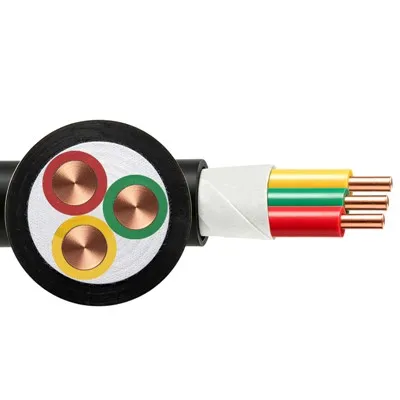
So, to answer the question "Can I use an electric wire for a low – voltage application?", the answer is yes, but you need to choose the right wire. Consider the wire size, insulation, current – carrying capacity, and cost. And if you have any questions or need help choosing the right wire, don’t hesitate to reach out to us.
Data Communication Cable We’re here to make sure you get the best electric wire for your low – voltage application. Whether you’re a DIY enthusiast or a professional electrician, we’ve got the products and expertise to meet your needs. So, if you’re in the market for electric wires for low – voltage applications, get in touch with us for a detailed discussion about your requirements. Let’s work together to find the perfect solution for your project!
References
- National Electrical Code (NEC) Handbook
- Electrical Wiring: A Comprehensive Guide for Beginners and Professionals
Yangzhou Huayu Cable Co., Ltd.
Yangzhou Huayu Cable Co., Ltd. is one of the most professional electric wire manufacturers and suppliers in China, also supports customized service with low price. Please feel free to wholesale advanced electric wire made in China here from our factory. Contact us for pricelist.
Address: No. 9 Jingang Road, Yangzhou City, Jiangsu Province, China
E-mail: huayucableco@126.com
WebSite: https://www.huayucabletech.com/
