Hey there! I’m a supplier of Miniature Circuit Breakers (MCBs), and I’ve been in this game for quite a while. MCBs are super important in electrical systems as they protect the circuits from overloading and short – circuits. In this blog, I’ll walk you through how to install a Miniature Circuit Breaker. Miniature Circuit Breaker

Before You Start
First things first, safety is the name of the game. You need to make sure the power is turned off at the main electrical panel. This might sound like a no – brainer, but you’d be surprised how many accidents happen because people forget this simple step. Grab a pair of insulated gloves and some safety glasses. These will protect you from any potential electrical shock or debris.
You’ll also need a few tools for the job. A screwdriver is a must – have. Usually, a Phillips – head or a flat – head screwdriver will do, depending on the type of screws on your MCB and the electrical panel. You might also need a voltage tester to double – check that the power is off. It’s always better to be safe than sorry!
Choosing the Right MCB
As a supplier, I know how crucial it is to pick the right MCB for your project. You need to consider the electrical circuit’s amperage. The amperage of the MCB should match the circuit’s rating. If you use an MCB with too high an amperage, it won’t trip when there’s an overload, which can be really dangerous. On the other hand, if the amperage is too low, the MCB will trip frequently, even under normal operating conditions.
Most residential circuits are either 15 or 20 amps. For lighting circuits, a 15 – amp MCB is usually sufficient. For outlets in the kitchen, bathroom, or laundry room, a 20 – amp MCB is a better choice because these areas typically have higher power demands.
There are also different types of MCBs, like B, C, and D curve MCBs. The B – curve MCBs are suitable for circuits with mostly resistive loads, like lights and heaters. C – curve MCBs are good for general use and can handle some inductive loads, like small motors. D – curve MCBs are designed for circuits with high inrush currents, such as large motors or transformers.
Preparing the Electrical Panel
Once you’ve got the right MCB and all the tools, it’s time to work on the electrical panel. Open the panel cover carefully. You’ll see a bunch of wires and other components in there. Take a moment to familiarize yourself with the layout.
If there’s an old MCB that you’re replacing, you need to remove it first. Loosen the screws that hold the MCB to the panel. Then, gently pull the MCB out of its slot. Make sure to hold it by the body, not the wires. After removing the old MCB, you’ll notice the wires connected to it. Take a picture or make a note of how the wires are connected. This will make it easier when you install the new MCB.
Installing the New Miniature Circuit Breaker
Now it’s time to install the new MCB. First, insert the MCB into the appropriate slot in the panel. Make sure it fits snugly. You might need to apply a little pressure, but don’t force it. If it doesn’t fit easily, double – check that you’ve got the right type of MCB for the panel.
Next, connect the wires. Start with the hot wire. This is usually the black or red wire. Loosen the screw on the MCB where the hot wire will be connected. Insert the stripped end of the wire under the screw and tighten it firmly. Make sure the wire is secure and there’s no loose strand.
Then, connect the neutral wire. The neutral wire is usually white. Connect it to the appropriate neutral bar in the panel. Again, loosen the screw, insert the wire, and tighten it up.
Testing the Installation
After you’ve connected all the wires, it’s time to test the installation. Before you turn on the power, double – check all the connections one more time. Make sure there are no loose wires or screws.
Once you’re confident that everything is in place, turn on the main power switch. Then, switch on the new MCB. If the MCB stays on and there are no signs of electrical problems, such as sparks or strange noises, you’re in good shape. You can also test the circuit by plugging in a small electrical device, like a lamp. If the lamp lights up, it means the circuit is working properly.
Troubleshooting
Sometimes, things don’t go as smoothly as we’d like. If the MCB trips immediately after you turn it on, there could be a short – circuit in the circuit. Check all the connections again to make sure there are no loose wires touching each other. You might also want to use a multimeter to test the circuit for continuity.
If the MCB trips after a short period of time, it could be an overload. Check if you’ve got too many electrical devices connected to the circuit. Try unplugging some of them and see if the MCB stays on.
Maintenance Tips
Once the MCB is installed and working, it’s important to maintain it. Check the MCB regularly for any signs of damage, like cracks or discoloration. Also, make sure the connections are still tight. Over time, vibrations and temperature changes can cause the screws to loosen.
If you notice any problems with the MCB, like it’s tripping too often or not resetting properly, it might be time to replace it. And remember, if you’re not comfortable doing any of the maintenance or troubleshooting yourself, it’s always a good idea to call a professional electrician.
Why Choose Our MCBs
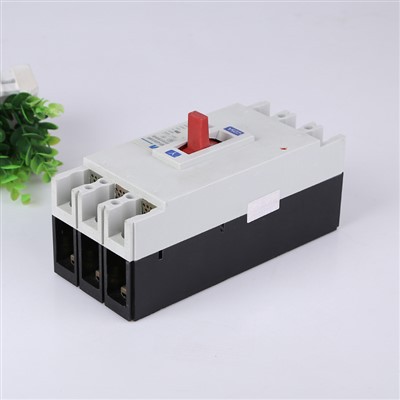
As a supplier, I can tell you that our MCBs are top – notch. We use high – quality materials in the manufacturing process, which ensures their durability and reliability. Our MCBs are also rigorously tested to meet all the relevant safety standards. Whether you’re working on a small residential project or a large commercial one, we’ve got the right MCB for you.
Miniature Circuit Breaker If you’re in the market for Miniature Circuit Breakers, I’d love to talk to you. We can discuss your specific needs and find the best solution for you. Don’t hesitate to reach out for a friendly chat and some great deals. Let’s work together to keep your electrical systems safe and running smoothly!
References
- Electrical Installation Manuals
- National Electrical Code (NEC)
- Manufacturer’s Guides for Miniature Circuit Breakers
Zhejiang Westroom Electric Co., Ltd.
As one of the leading miniature circuit breaker manufacturers and suppliers in China, we have world-leading production equipment and strong manufacturing capabilities. Please feel free to wholesale advanced miniature circuit breaker at competitive price from our factory.
Address: No. 22, Enze Road, Xiangbei Village, Liushi Town, Yueqing City, Wenzhou City, Zhejiang Province
E-mail: Zjxfdq15105772211@126.com
WebSite: https://www.westroomdianqi.com/
