If you’ve ever driven past a field at the start of planting season, you’ve probably seen a tractor pulling a plow, churning up soil into neat, turned rows. As someone who’s spent 15 years as an agricultural machinery supplier, I can tell you that a plow isn’t just a simple blade on a stick—it’s a precision tool built to turn over soil, bury crop residue, control weeds, and prepare the perfect seedbed for next season. Over the years, I’ve worked with farmers from small family operations to large commercial grain producers, and the number one question I get when they’re upgrading their equipment is: “What parts actually matter when I’m buying a plow?” The answer isn’t just the total weight or how deep it digs—it’s understanding the core components that make a plow work efficiently, last for years, and adapt to different field conditions. Agricultural Machinery

Let’s start with the most recognizable part: the share. The share is the curved, pointed cutting edge that slices through the top layer of soil, right at the tip of the plow’s bottom. Think of it as the plow’s workhorse—without a sharp, properly fitted share, you’re not cutting soil, you’re ripping and tearing it, which leads to uneven turning, more wear on other parts, and wasted fuel. There are a few types of shares, depending on what you’re working with: general-purpose shares for light to medium loam soil, high-clearance shares for rocky or heavy clay soil that needs extra depth, and notched shares for fields with lots of crop residue like corn stalks or wheat stubble, where the notches help slice through tough material instead of getting stuck. I always tell new farmers to keep a set of extra shares on hand, because even the best quality share will wear down after 100 to 150 acres of use—especially if they’re working in rocky soil. When we supply plows to our customers, we include a free set of basic shares and a guide to inspecting them every few hours: if the point is rounded more than a quarter-inch, it’s time to replace it, because a dull share can increase fuel use by up to 15 percent, according to University of Extension research.
Next up is the moldboard, which is the curved metal plate that follows directly behind the share. Its job is simple but critical: after the share cuts the soil, the moldboard lifts it, breaks it apart, and turns it over completely, burying crop residue, weeds, and any remaining pest debris under a layer of fresh soil. The design of the moldboard is where plows get specialized, and it’s the part that separates a plow that works well in sandy soil from one that performs in wet, heavy clay. There are three main moldboard types, and I’ve seen firsthand how each fits different needs. The stubble moldboard is short, steep, and has a sharp turn—ideal for burying heavy crop residue quickly without leaving clumps, perfect for farmers planting into fields with high corn or sorghum residue. The general-purpose moldboard is longer and more gently curved, balancing soil turning and breaking, making it versatile for most small to medium farms. For wet, heavy clay soil, a sod moldboard is the way to go: it has a gradual, long curve that lifts and turns dense soil without clogging, which is a huge issue in fields where mud sticks to every part of the plow. Last year, we had a customer who switched from a general-purpose moldboard to a sod moldboard and cut their downtime from clogging by 70 percent during planting season—something that made a huge difference when they were on a tight schedule before rain.
Connecting the share and moldboard to the plow frame is the frog, sometimes called the body. It’s the central metal block that holds these two parts in place, and it also lets farmers adjust the angle and depth of each plow bottom—plowing bottoms are the individual units that make up multi-bottom plows, which is what most modern farms use. The frog has holes or slots that let you shift the moldboard and share left or right to adjust the width of the furrow, and up or down to change how deep the plow digs. For example, if you’re planting deep-rooted crops like soybeans, you’ll want to set the plow to dig 6 to 8 inches deep, but if you’re working on sloped ground, you might adjust the angle of the frog to prevent soil erosion. I always remind customers that alignment of the frogs is non-negotiable: if each bottom isn’t aligned perfectly, you’ll get uneven furrows, which leads to seed being planted at inconsistent depths, hurting germination rates. When we service our plows after the first season, we check every frog’s alignment as part of our no-cost maintenance check, because small misalignments add up to big losses over time.
Now, no plow works without the frame, the large, heavy-duty metal structure that supports all the bottoms and connects the plow to the tractor. The frame’s job is to distribute the weight of the plow evenly, keep all the parts stable during operation, and handle the stress of being pulled through soil at speeds of 4 to 6 miles per hour. Modern plow frames are either fixed or adjustable—fixed frames are simpler, lighter, and cheaper, making them ideal for small farms with consistent field conditions. Adjustable frames, on the other hand, let you change the number of plow bottoms to match different tasks: you can pull 5 bottoms for full plowing, and remove one or two for lighter tillage jobs like preparing seedbeds for small grains. We’ve seen a huge increase in demand for adjustable frame plows over the last 5 years, as farmers look for equipment that can do double duty instead of needing separate tools for every task. A key part of the frame that’s often overlooked is the hitch, which is the connection point that links the plow to the tractor’s three-point hitch. The hitch has to be durable enough to handle the pulling force, but also flexible enough to let the plow follow the contours of the field, so you don’t end up with uneven furrows or soil being pushed into ditches on sloped land.
For farmers working in rocky or stony fields, the landside is an essential component that protects your plow and extends its lifespan. The landside is a flat metal plate that runs along the side of each plow bottom, pressing against the wall of the furrow to keep the plow aligned and prevent it from wandering off course. It also acts as a stabilizer, so all the energy from the share and moldboard goes into cutting and turning soil, not into the plow tipping or leaning. The landside is exposed to constant friction against the furrow wall, so it wears down over time—if it gets too thin, the plow will start to drift, and you’ll have to constantly adjust the depth. We recommend checking the landside every 50 acres in rocky soil, and replacing it when it’s worn down to less than half its original thickness. Many of our customers opt for hardened steel landsides, which cost a little more upfront but last 2 to 3 times longer than standard steel, saving them money on replacements over the year.
Last, but definitely not least, is the depth wheel, a small, adjustable wheel attached to the back of each plow bottom (or the frame for multi-bottom plows) that controls how deep the plow digs into the soil. The depth wheel rides on the surface of the field, and its height sets the distance between the share and the ground, so every bottom plows to the same depth—no more digging too shallow in soft spots or too deep in hard spots. For farmers working in uneven fields, a depth wheel with a serrated edge is a great investment, because it grips the ground better in wet or grassy areas, preventing it from slipping and changing the depth. I always tell first-time plow buyers to test the depth wheel on a small section of the field before starting the whole area. If the furrow is too shallow, lower the wheel; if it’s too deep, raise it. It’s a simple adjustment, but getting it right makes all the difference in the quality of the seedbed.
Over the years, I’ve seen how small issues with any one of these components can turn a great plow into a frustrating, inefficient tool. A dull share adds extra work for the tractor, bogging it down and increasing fuel costs. A worn landside makes you constantly adjust the plow, wasting time during the critical planting window. Even a misaligned frog can lead to uneven germination, which affects the entire season’s yield. That’s why when we supply plows to our customers, we don’t just sell them a piece of equipment—we include a maintenance guide, tips for inspecting each component, and a team of experts to help them choose the right parts for their specific soil and farm size. We also offer flexible service plans, with on-site inspections during planting season and fast delivery of replacement parts, because we know that when you’re a farmer, downtime isn’t an option.
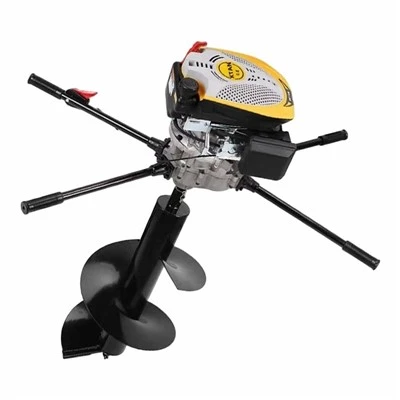
If you’re in the market for a plow, whether you’re upgrading an old one or outfitting a new farm, it’s worth taking the time to learn about these main components. Don’t just look at the overall size or price tag—ask about the type of shares and moldboards, the frame’s adjustability, and what kind of support the supplier offers. That’s where a good agricultural machinery partner makes all the difference. If you’re ready to find a plow that fits your field conditions and your budget, or want to learn more about maintaining the plow you already own, reach out to our team to discuss your needs. We’re here to help you make the right choice for your farm, so you can get the job done efficiently and get back to what matters most—growing great crops.
Wheel Loaders References
US Department of Agriculture, Agricultural Machinery and Technology Management
University of Illinois Extension, Soil Tillage Practices for Sustainable Agriculture
National Agri-Machinery Association, Component Design and Maintenance Guidelines for Plows
American Society of Agricultural and Biological Engineers, Standard for Agricultural Tillage Equipment
Yantai Xinwang Agricultural Machinery Co., Ltd.
With abundant experience, we are one of the most professional agricultural machinery manufacturers and suppliers in China. We warmly welcome you to buy durable agricultural machinery for sale here from our factory. If you have any enquiry about customized service, please feel free to email us.
Address: East of Lijiatuan Village, Huili Town, Fushan District, Yantai City, Shandong Province, P.R.China
E-mail: 2509158104@qq.com
WebSite: https://www.xinwangagri.com/
