What is the moisture resistance of Glycoluril Resin?
As a supplier of Glycoluril Resin, I’ve encountered numerous inquiries from clients regarding the moisture resistance of this unique material. In this blog post, I’ll offer a comprehensive analysis of this crucial property, its significance in various applications, and the factors that influence it. Glycoluril Resin
Understanding Glycoluril Resin
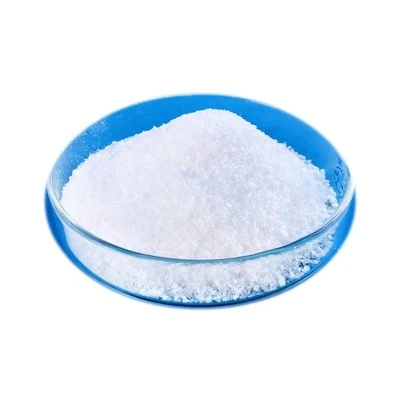
Glycoluril resin is a thermosetting resin known for its excellent chemical and physical properties. It is synthesized through the reaction of glycoluril with formaldehyde and other substances. The resulting resin product has a three – dimensional cross – linked structure, which endows it with remarkable hardness, gloss, and solvent resistance. But one of its most standout features is its moisture resistance.
The Significance of Moisture Resistance
Moisture can pose a significant threat to many materials. In environments with high humidity or where direct contact with water is possible, materials that are not moisture – resistant can degrade rapidly. This degradation can manifest in various ways, such as swelling, cracking, loss of adhesion, and loss of mechanical strength.
For example, in the coatings industry, if a coating lacks proper moisture resistance, it can blister and peel off when exposed to moisture. This not only affects the aesthetic appearance of the coated surface but also compromises its protective function. In the electronics industry, moisture can cause corrosion of electronic components, leading to malfunctions or even permanent damage.
Glycoluril resin’s moisture resistance makes it an ideal choice for applications where long – term protection against moisture is required. It can be used in exterior coatings, marine coatings, and protective coatings for electronic devices, providing a reliable shield against the harsh effects of moisture.
Mechanisms of Moisture Resistance in Glycoluril Resin
The moisture resistance of Glycoluril resin stems from its molecular structure and chemical composition. The three – dimensional cross – linked network formed during the curing process acts as a physical barrier to prevent the penetration of water molecules.
When the resin is cured, the functional groups react with each other to form a dense and stable structure. This structure is difficult for water molecules to break through. Additionally, the chemical groups in Glycoluril resin have relatively low affinity for water. For instance, the hydrocarbon chains within the resin structure are hydrophobic, repelling water rather than attracting it.
The curing process also plays a vital role in determining the moisture resistance. A well – controlled curing process ensures a complete cross – linking reaction, resulting in a more compact and homogeneous structure. This optimal structure further enhances the resin’s ability to resist moisture.
Factors Affecting the Moisture Resistance of Glycoluril Resin
Curing Conditions
As mentioned earlier, the curing process is crucial for the moisture resistance of Glycoluril resin. The temperature, time, and presence of catalysts all impact the cross – linking density. If the curing temperature is too low or the time is insufficient, the cross – linking reaction may not be complete, leaving some functional groups unreacted. This can create voids in the resin structure, providing pathways for water molecules to penetrate.
For example, if a coating made of Glycoluril resin is cured at a temperature lower than the recommended range, it may show reduced moisture resistance over time, especially in humid environments.
Additives
The addition of certain additives can either enhance or reduce the moisture resistance of Glycoluril resin. For instance, some fillers can improve the barrier properties of the resin by further blocking the diffusion of water molecules. However, if incompatible additives are used, they may disrupt the cross – linking structure, leading to a decrease in moisture resistance.
Some additives, such as plasticizers, may increase the flexibility of the resin but at the same time, they can also increase the resin’s affinity for water, thus reducing its moisture – resistant performance.
Environmental Conditions during Use
The environment in which the Glycoluril resin is used also affects its moisture resistance. Factors such as pH, temperature, and the presence of other chemicals in the environment can influence the resin’s long – term stability against moisture.
In highly acidic or alkaline environments, the chemical structure of the resin may be attacked, leading to a breakdown of the cross – linked network and a subsequent loss of moisture resistance. High temperatures can also accelerate the degradation process, making the resin more susceptible to moisture damage.
Applications and Moisture Resistance
Coatings
In the coatings industry, Glycoluril resin is widely used for its outstanding moisture resistance. Exterior coatings that are exposed to all kinds of weather conditions need to have excellent protection against rain, snow, and high humidity. Glycoluril – based coatings can form a durable and moisture – resistant film on the surface of buildings, vehicles, and industrial equipment.
Marine coatings are another important application area. Ships and offshore structures are constantly exposed to seawater, which is highly corrosive. The moisture resistance of Glycoluril resin helps to prevent the penetration of seawater, protecting the underlying metal or composite materials from corrosion and extending their service life.
Electronics
In the electronics industry, moisture can cause short – circuits and corrosion of electronic components. Glycoluril resin can be used as a protective encapsulant for circuit boards and other sensitive electronic parts. Its moisture – resistant properties ensure the reliable operation of electronics in various environmental conditions, including humid domestic environments and industrial settings with high humidity.
Adhesives
Glycoluril – based adhesives are also known for their moisture resistance. In applications where bonding needs to withstand humid conditions, such as in the construction of wooden structures or the assembly of parts in wet environments, these adhesives provide a strong and long – lasting bond. The moisture resistance prevents the adhesive from weakening over time due to water penetration, ensuring the structural integrity of the bonded components.
Testing the Moisture Resistance of Glycoluril Resin
To ensure the quality and performance of Glycoluril resin products, various testing methods are employed. One of the common methods is the water immersion test. In this test, a sample of the resin (usually in the form of a coating or a molded part) is immersed in water for a specific period at a controlled temperature. Then, the sample is examined for changes in appearance, weight, and mechanical properties.
Another method is the humidity chamber test. The sample is placed in a chamber with a controlled humidity and temperature environment for an extended period. By monitoring the changes in the sample over time, such as the appearance of blisters or loss of adhesion, the moisture resistance of the resin can be evaluated.
Conclusion
In conclusion, the moisture resistance of Glycoluril resin is one of its most valuable properties. It is derived from the resin’s unique molecular structure, the curing process, and can be influenced by various factors. This property enables Glycoluril resin to be widely used in many industries, including coatings, electronics, and adhesives, providing reliable protection against moisture – related damage.
Nitrophosphate Series Products If you are looking for a high – quality Glycoluril resin product with excellent moisture resistance for your specific application, we are here to help. Our team of experts can assist you in selecting the most suitable product and providing technical support. Feel free to contact us to discuss your procurement needs and we’ll work together to find the best solution.
References
- Paint and Coating Testing Manual: Fourteenth Edition of the Gardner – Soulen Handbook, ASTM International
- Handbook of Adhesives and Surface Preparation: Technology, Applications and Manufacturing, CRC Press
- Polymer Science: A Comprehensive Reference, Elsevier
Yuncheng Tianhua Chemical Co., Ltd.
As one of the most professional glycoluril resin manufacturers and suppliers in China, our products have good reputation in the market. Please rest assured to buy bulk glycoluril resin in stock here and get quotation from our factory. For price consultation, contact us.
Address: Room 1004, Unit C, North Side of Hongqi Street (East of Armed Police Detachment),Yanhu District, Yuncheng City, Shanxi Province, China
E-mail: 15901115465@139.com
WebSite: https://www.ycthchemical.com/
