Yo! As a supplier of Petroleum Pipe Thread Tools, I’ve seen firsthand how crucial it is to optimize the use of these tools. In the oil and gas industry, every single operation counts, and using these tools efficiently can save time, reduce costs, and improve overall safety. So, let’s dive into how we can make the most out of petroleum pipe thread tools. Petroleum Pipe Thread Tools
Understanding the Basics
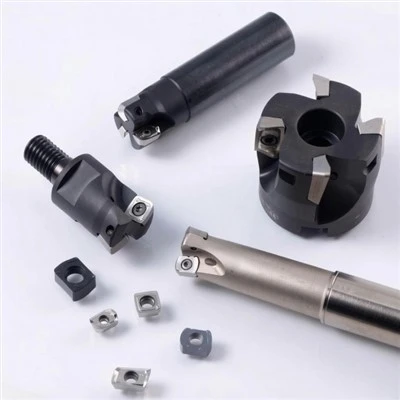
First things first, we need to understand what these tools are and what they do. Petroleum pipe thread tools are used to create, repair, and maintain the threads on pipes used in the oil and gas industry. These threads are essential for connecting pipes securely and ensuring a leak – free connection. There are different types of tools, like thread cutters, thread gauges, and thread protectors.
Thread cutters are used to create the threads on new pipes. They come in various sizes and designs, depending on the type of pipe and the thread specification. When using a thread cutter, it’s important to choose the right one for the job. Using the wrong cutter can result in poorly cut threads, which can lead to leaks and other problems down the line.
Thread gauges, on the other hand, are used to check the accuracy of the threads. They ensure that the threads meet the required standards. Before using a new batch of pipes, it’s a must to check the threads with a gauge. This helps to catch any potential issues early on and prevent costly mistakes.
Thread protectors are used to protect the threads during storage, transportation, and handling. They prevent damage to the threads, which can affect the performance of the pipes.
Pre – use Preparation
Before using any petroleum pipe thread tool, there are a few important steps to take. First, clean the tool thoroughly. Even the smallest bit of dirt or debris can affect the performance of the tool. Use a suitable cleaning solution and a clean cloth to wipe down the tool, making sure to remove any rust, oil, or other contaminants.
Next, inspect the tool for any signs of damage. Check for cracks, worn – out parts, or any other issues that could affect its performance. If you find any problems, it’s best to repair or replace the tool before using it. A damaged tool can not only produce poor results but also pose a safety risk.
Also, make sure you have all the necessary accessories and lubricants. Lubrication is crucial when using thread tools. It reduces friction, which can extend the life of the tool and improve the quality of the threads. Use a high – quality lubricant specifically designed for pipe thread tools.
Proper Tool Operation
When it comes to operating the tool, follow the manufacturer’s instructions carefully. Every tool is different, and the instructions will tell you how to set it up, adjust it, and use it safely. For example, when using a thread cutter, you need to set the correct cutting speed and feed rate. If the speed is too high, it can cause the cutter to wear out quickly, and if it’s too low, it may not cut the threads properly.
Pay attention to the depth of cut. If you cut the threads too deep or too shallow, it can affect the fit of the pipes. Use a depth gauge or other measuring tools to ensure that the threads are cut to the correct depth.
When using a thread gauge, make sure to use it correctly. Place the gauge on the threads and check for proper alignment and fit. If the threads don’t meet the specifications, you may need to make adjustments to the cutting process or use a different tool.
Maintenance during Use
During the use of the tool, it’s important to keep an eye on its performance. If you notice any changes in the quality of the threads, such as unevenness or rough surfaces, stop using the tool and inspect it. It could be a sign that the tool is wearing out or needs adjustment.
Regularly clean the tool during use. As you’re cutting or working on the threads, debris can build up on the tool. This can affect its performance and the quality of the threads. Wipe down the tool after every few uses to remove any chips, shavings, or other debris.
Check the lubrication of the tool frequently. If the lubricant starts to dry out or becomes contaminated, it won’t do its job properly. Add more lubricant as needed to keep the tool running smoothly.
Post – use Maintenance
After you’re done using the tool, proper post – use maintenance is key. First, clean the tool again thoroughly. This time, make sure to remove all the cutting fluids, chips, and other debris. You can use a brush and a cleaning solution to get into all the nooks and crannies of the tool.
Inspect the tool one more time for any signs of wear or damage. If you find any minor issues, you may be able to repair them yourself. However, for more serious problems, it’s best to have the tool serviced by a professional.
Store the tool in a proper place. Keep it in a dry, clean area to prevent rust and corrosion. If possible, store the tool in a protective case to avoid any accidental damage.
Training and Education
One of the most important aspects of optimizing the use of petroleum pipe thread tools is to ensure that the operators are well – trained. Provide regular training sessions for your employees on how to use the tools correctly, how to perform maintenance, and how to troubleshoot common problems.
Training can also help to improve safety. In the oil and gas industry, safety is of the utmost importance. Properly trained operators are less likely to make mistakes that could lead to accidents or injuries.
Encourage continuous learning. The oil and gas industry is constantly evolving, and new technologies and techniques are being developed all the time. Stay up – to – date with the latest trends and share this information with your operators.
Quality Control
Implement a strict quality control system. This includes checking the quality of the tools before they are used, during the use process, and after they are used. Have a set of standards and procedures in place to ensure that every tool meets the required quality.
Inspect the pipes after the threading process. Check for proper thread fit, alignment, and any signs of damage. If there are any issues, take immediate action to correct them.
Cost – effectiveness
Optimizing the use of petroleum pipe thread tools can also lead to cost – savings. By reducing tool wear and tear, you can extend the life of the tools, which means you won’t have to replace them as often. Additionally, by producing high – quality threads, you can reduce the chances of leaks and other problems, which can save on repair and replacement costs.
Look for ways to streamline the process. For example, use automated tools if possible. Automated tools can increase efficiency and reduce the chance of human error.
Summary
In summary, optimizing the use of petroleum pipe thread tools involves understanding the basics, proper pre – use preparation, correct operation, regular maintenance, training, quality control, and cost – effectiveness. By following these steps, you can ensure that your tools are working at their best, your pipes are properly threaded, and your operations are running smoothly.
Petroleum Pipe Thread Tools If you’re looking to purchase high – quality petroleum pipe thread tools or have any questions about how to optimize their use, don’t hesitate to contact us. We’re here to help you get the most out of your tools and ensure the success of your oil and gas operations.
References
- "Petroleum Pipe Threading Manual" – Industry – specific handbook on pipe threading
- Technical guidelines from leading tool manufacturers
Shun Wei Precision Technology Co., Ltd.
With abundant experience, we are one of the most reliable petroleum pipe thread tools manufacturers and suppliers in China. We warmly welcome you to buy durable petroleum pipe thread tools at competitive price from our factory. If you have any enquiry about cooperation, please feel free to email us.
Address: Room901, Building2, Yijing Apartment, Northeast side of the intersection of Central Avenue and East Fifth Road, Tianjin Free Trade Zone (Airport Economic Zone)
E-mail: sale@sw-csd.com
WebSite: https://www.tjswprecisiontool.com/
